

It’s the first week of December. You’ve already planned the holiday menu, ordered the first round of gifts and figured out whose house you’re going to and when. You’ve answered the group texts, signed up for the cookie exchange and remembered your mother-in-law’s favorite pie. Meanwhile, you’re still working, still driving everyone everywhere and still being the one who knows where everything is. When holiday stress and menopause collide, it’s no wonder you feel stretched thin.
Then, in the middle of it all, a hot flash hits. That night, you wake at 3 AM, heart racing, mind running through tomorrow’s list. By morning, you snap at someone you love and then feel guilty about it all day.
If this sounds familiar, I see you. I understand. And please hear me: you’re not failing at the holidays. You’re carrying too much of them. In this post, you’ll learn why women carry so much of the holiday load, how holiday stress and menopause feed each other, and what you can do to feel calm, rested and like yourself again this season.
The Invisible Holiday Mental Load Women Carry
First, let’s name what’s really going on. For many families, the holidays don’t just happen. Someone makes them happen. And most of the time, that someone is a woman.
For a moment, think about everything on your mental list right now. First, there’s the shopping, the cooking, the cleaning and the decorating. Then there are the cards, the teacher gifts, the family schedules and the travel plans. On top of that, you’re often the one keeping the peace, remembering the traditions and making sure everyone else has a magical time.
Together, this is sometimes called the “mental load.” In short, it’s the planning, remembering and worrying that no one sees. Unfortunately, it doesn’t stop when you sit down. Instead, it follows you to bed.
In fact, research backs this up. In a survey by the American Psychological Association, 44% of women said their stress rose during the holidays, compared to 31% of men. Women were also more likely to feel stressed by lack of time, money and the pressure of gift-giving.
So, if you feel more frazzled than festive, you’re not imagining it. You’re carrying a real, heavy load.

Why Stress Hits Harder in Perimenopause and Menopause
Now, here’s the part most women don’t know. The same amount of stress can feel much bigger in your 40s and 50s. That’s because your hormones are changing at the same time.
For instance, during perimenopause, estrogen and progesterone rise and fall unpredictably before they decline. Yet these hormones do far more than control your cycle. In fact, they help regulate your mood, sleep, body temperature and stress response.
- Estrogen supports serotonin, one of your “feel-good” brain chemicals. So, when estrogen dips, you may feel more anxious, irritable or teary.
- Progesterone has a calming effect on your brain. As it falls, it’s harder to relax and fall asleep.
- Cortisol, your main stress hormone, can stay high when stress never lets up. As a result, you may feel “wired and tired.”
Put simply, your hormonal buffer against stress is shrinking just as the holidays pile it on. That’s why holiday stress and menopause can feel like such a tough combination.
If you’ve been feeling wired at night and drained during the day, my Adrenal Recovery Guide for Lasting Energy explains how stress affects your whole body.
Holiday Stress and Menopause Symptoms: What You May Notice
So, what does this look like in real life? Here are the most common ways holiday stress and menopause show up together.
More Hot Flashes and Night Sweats From Holiday Stress
First, stress is a well-known hot flash trigger. According to WebMD, feeling overwhelmed, anxious or stressed may set off hot flashes. Add warm, crowded rooms, rich food, caffeine and a glass of holiday cheer, and many women notice more flashes than usual in December.
Mood Swings and a Short Fuse
Also, when you’re running on empty, it doesn’t take much to tip you over. For example, one comment from a relative, one more request or one spilled drink can feel like the last straw. Then, the guilt sets in. However, these mood swings aren’t a character flaw. They’re often a sign that your hormones and stress response need support.
Poor Sleep and 3 AM Wake-Ups
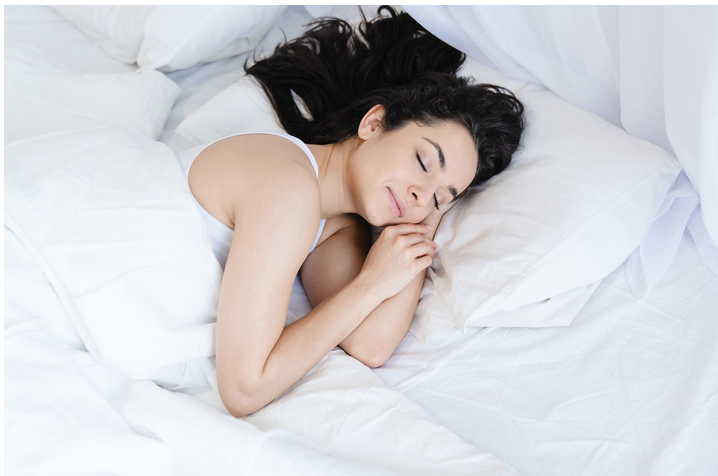
In addition, stress hormones and falling progesterone can both wake you up in the middle of the night. Then your mind starts spinning through your to-do list. Unfortunately, poor sleep makes everything else harder, including your mood, cravings and patience. If the recent time change also threw off your sleep, read my post on fatigue after the time change.
Deep, restful sleep is one of your best defenses against hot flashes, mood swings and holiday stress.
Brain Fog and Forgetfulness
Next, have you walked into a room and forgotten why you’re there? Or lost track of a gift you already bought? If so, you’re not alone, since brain fog is common in perimenopause. On top of that, stress and poor sleep make it worse.
Bloating, Cravings and Weight Around the Middle
Similarly, stress affects your digestion and your appetite. For example, many women notice more bloating and stronger sugar cravings during stressful weeks. Over time, high cortisol also encourages fat storage around the middle. My posts on holiday bloating after 40 and holiday weight gain after 40 explain these patterns in more detail.
Anxiety and the Holiday Mental Load
Finally, many women feel a constant hum of worry during the holidays. As a result, you may feel tense, restless or on edge, even during happy moments. According to the National Institute of Mental Health, ongoing stress and anxiety can affect your sleep, digestion and heart, and cause headaches and body tension.
The Superwoman Trap
Let’s be honest about something. Often, many of us were raised to believe that a “good” mom, daughter or wife makes everything perfect. So, we say yes to every invitation, host every gathering and push our own needs to the bottom of the list.
For a while, that works. However, in perimenopause, your body stops letting you get away with it. Suddenly, the same schedule that felt manageable at 35 leaves you exhausted, flushed and in tears at 48.
Here’s what I tell my patients: your body isn’t failing you. Instead, it’s sending you a message. It’s asking you to put yourself back on the list.
What Holiday Stress Does to Your Body
Next, let’s look at what’s happening inside. When you feel stressed, your brain signals your adrenal glands to release adrenaline and cortisol. In the short term, that’s helpful. For example, it gives you the energy to finish the shopping or host the big dinner.
However, the holidays rarely give you a break. Instead, stress builds day after day. As a result, cortisol can stay high when it should be falling, especially at night. Meanwhile, your body uses up the nutrients it needs to stay calm, like magnesium and B vitamins.
In midlife, this matters even more. That’s because your ovaries are making less estrogen and progesterone, so your body relies more on your adrenal glands for hormone balance. In other words, when holiday stress meets midlife hormone changes, your adrenal glands are asked to do two jobs at once. No wonder you feel depleted by mid-December.
Holiday Stress and Menopause at Family Gatherings
Of course, family gatherings bring their own kind of stress. There are long days in warm kitchens, crowded rooms and sometimes tricky conversations. For many women, this is exactly when a hot flash or a short temper shows up.
Fortunately, a little planning helps a lot. Here are my favorite tips:
- Dress in layers. That way, you can cool down quickly when a hot flash starts.
- Keep cold water nearby. Also, sip it slowly throughout the day.
- Step outside for fresh air. Even two minutes on the porch can calm a hot flash and your nerves.
- Plan your exit line. For example, “I’m going to check on the pie” gives you a graceful break from a tense conversation.
- Share the work. Similarly, ask guests to bring a dish, help clear the table or handle the dishes.
Above all, remember that you don’t have to hold everything together. When your hormones and a busy day team up, giving yourself small breaks isn’t selfish. Rather, it’s how you get through the day feeling like yourself.
How to Cool a Hot Flash Fast During Holiday Stress
Even with the best plan, a hot flash can still catch you off guard. When it does, try these quick fixes:
- Breathe slowly. First, take slow, deep breaths from your belly. This can ease the intensity.
- Cool your wrists and neck. Next, run cold water over your wrists or hold a cool glass against your neck.
- Use a small fan. Similarly, a handheld fan in your purse can be a lifesaver at parties.
- Sip something cold. Then, choose ice water instead of hot coffee or wine.
- Notice your triggers. Finally, jot down what happened right before the flash. Over time, you’ll spot your patterns.
Signs Your Holiday Stress Needs More Attention
Of course, a little stress is normal during the holidays. However, some signs suggest your body needs more support. Pay attention if:
- You’re having more hot flashes or night sweats than usual.
- You wake up at 2, 3 or 4 AM most nights.
- You feel irritable, teary or anxious most days.
- You’re exhausted, yet you can’t relax.
- You’re relying on sugar, caffeine or wine to get through the day.
- You’ve stopped doing the things that bring you joy.
If several of these sound familiar, it’s not just the holidays. It’s a sign that holiday stress and menopause are wearing down your reserves.
How to Ask Your Family for Help
For many women, asking for help is the hardest part. After all, it often feels faster to just do it yourself. However, carrying everything alone is exactly what wears you down.
So, try this simple approach. First, pick a calm moment, not the middle of a busy evening. Next, be specific. For example, instead of “I need more help,” try “Can you take care of the grocery shopping and the gift wrapping this year?” Then, thank them and let them do it their way.
Also, consider sharing what you’re going through. You might say, “My hormones are changing, and I’m not sleeping well. I need us to share the holiday work so I can enjoy it too.” Most families want to help. They simply don’t know what you need until you tell them.
Finally, remember that your kids are watching. When they see you rest, set limits and ask for support, they learn that taking care of yourself is normal and healthy.
10 Ways to Lighten Your Holiday Stress
Now for the practical part. You don’t have to do everything on this list. Instead, choose two or three that feel doable and start there.
1. Write Down Everything You’re Carrying, then hand off at least three tasks.

First, get the mental load out of your head. Simply write down every holiday task you’re responsible for, big and small. Seeing it on paper often makes it clear why you’re so tired.
2. Delegate, Then Let It Be Good Enough
Next, look at your list and hand off at least three tasks. For example, ask your partner to handle the groceries, have the kids wrap gifts or let a relative bring dessert. Then, let go of how it gets done. “Done” is better than perfect.
3. Say No to One Thing
Remember, you don’t have to attend every party or host every gathering. So, choose one commitment to skip this year. A simple “We can’t make it this time, but thank you for thinking of us” is enough.
4. Protect Your Sleep Like an Appointment
Above all, sleep is your best defense against stress, hot flashes and mood swings. So, keep a steady bedtime and wake time, even during the holidays. Also, keep your bedroom cool, dark and quiet, and wear light, breathable layers to bed.
5. Eat Protein at Every Meal
Surprisingly, blood sugar swings can feel a lot like anxiety. To keep your energy and mood steady, include protein at breakfast, lunch and dinner. In addition, have a protein-rich snack before holiday parties so you don’t arrive starving.
6. Go Easy on Hot Flash Triggers
Meanwhile, caffeine, alcohol, spicy foods and sugar can all set off hot flashes. You don’t have to give them up completely. Instead, notice which ones bother you most and cut back during the busiest weeks.
7. Take a 5-Minute Breathing Break
Whenever stress rises, try slow breathing. Breathe in for four counts, then out for six to eight counts. Repeat for five minutes. This simple habit helps shift your body out of “fight or flight” and into “rest and digest.”
8. Move Your Body Every Day
Likewise, a brisk walk, a yoga class or a dance party in the kitchen all help burn off stress hormones. Better yet, get outside in the morning light. It supports your mood, sleep and body clock all at once.
9. Schedule Time Just for You
Then, put yourself on the calendar. Book a massage, take a bath, read a book or meet a friend for tea. Over time, even 20 minutes a day of something just for you can make a big difference.
10. Ask for Real Support
Finally, you don’t have to figure this out alone. If your symptoms are getting in the way of your life, it’s time to look deeper at your hormones, sleep and stress response. That’s exactly what we do together in a free consultation.

Your Holiday Stress Reset: A Simple Weekly Plan
To make this easier, here’s a simple plan to follow each week from now until New Year’s:
- Sunday: Write your list, then delegate at least three tasks.
- Every morning: Get outside for 10 minutes of daylight, and eat a protein-rich breakfast.
- Every afternoon: Take a 5-minute breathing break.
- Every evening: Dim the lights an hour before bed, and put your phone away.
- Once a week: Do one thing just for you, with no guilt attached.
Of course, you won’t do this perfectly. That’s okay. Simply coming back to these habits again and again will help your body feel calmer.
When It’s More Than Holiday Stress
Sometimes, the holidays reveal what’s been building all year. For instance, if your hot flashes, mood swings, sleep problems or fatigue were already there in the fall, the holidays may simply be turning up the volume.
In my practice, I look at the whole picture. That often includes your hormones, thyroid, cortisol rhythm, blood sugar, iron and vitamin D. Once we know the root cause, we can create a plan that fits your life, including natural options, targeted supplements and hormone support when it’s right for you.
Also, if you ever feel hopeless or have thoughts of hurting yourself, please call or text 988 right away for free, confidential support, 24 hours a day.
Frequently Asked Questions
Can stress make menopause symptoms worse? Yes. Stress can trigger hot flashes, disrupt your sleep and make mood swings stronger. That’s why holiday stress and menopause often feel so overwhelming together.
Why do I feel so much more stressed than I used to? In perimenopause, falling estrogen and progesterone affect the brain chemicals that help you stay calm. As a result, the same amount of stress can feel much bigger than it did in your 30s.
Why do I wake up at 3 AM during stressful weeks? Stress hormones, blood sugar dips and falling progesterone can all wake you in the middle of the night. A balanced dinner, a cool bedroom and a calming bedtime routine often help.
What’s the best way to manage holiday stress and menopause together? Start with the basics: steady sleep, protein at every meal, daily movement and fewer commitments. Then, if your symptoms still feel overwhelming, a personalized plan can address the root causes.
Is it normal to cry more easily during the holidays? Many women in perimenopause notice they feel more emotional. Hormone shifts, poor sleep and stress all play a role. However, if low mood lasts most days for two weeks or more, please reach out to your provider.
Can a naturopathic doctor help with menopause symptoms? Absolutely. A naturopathic doctor looks for the root causes of your symptoms. Then, together, we build a personalized plan that may include nutrition, stress support, sleep strategies, supplements and hormone support.
You Deserve to Enjoy the Holidays Too
Let’s be honest. After all, you spend so much of this season making memories for everyone else. Yet you’re often too exhausted, flushed or on edge to enjoy them yourself. Maybe you’re dreading another December of night sweats, 3 AM wake-ups and snapping at the people you love. Or maybe you’ve quietly decided that this is just how life is now.
Please hear me: it doesn’t have to be this way. Your symptoms are real, and fortunately, they’re treatable. Holiday stress and menopause don’t have to steal your joy this year.
Imagine going through the holidays with no hot flashes, no mood swings and great sleep. Imagine waking up rested on Christmas morning, laughing at the dinner table and actually feeling present for the moments that matter. That’s absolutely possible, and it can start with one conversation.
Book Your Free Consultation with Dr. Helene
In your free 30-minute consultation, we’ll talk about your stress, sleep, hot flashes, mood and energy. Then, together, we’ll look at what may be driving your symptoms and map out your next steps, so you can feel calm, rested and like yourself again this holiday season.
The holidays are my busiest time of year, and spots fill quickly. So, give yourself the gift of feeling better, and book your call today.
Book Your Free Consultation with Dr. Helene →
Link to book: https://calendly.com/helenepulnik/free-30-min-wellness-discovery-call
You’ve taken care of everyone else. Now it’s your turn.
In Health, Much Love, and Cheers to Healthy, Happy Holidays,
Dr. Helene