
Fatigue After the Time Change: 7 Ways to Reset
It’s that time of year again, we “fall back” when we set our clocks back 1 hour. Sounds fantastic to get another hour of sleep, right?
That “hit by a truck” feeling after the clocks fall back is real, and it’s not your fault.
Here’s something nobody tells you about “falling back.”
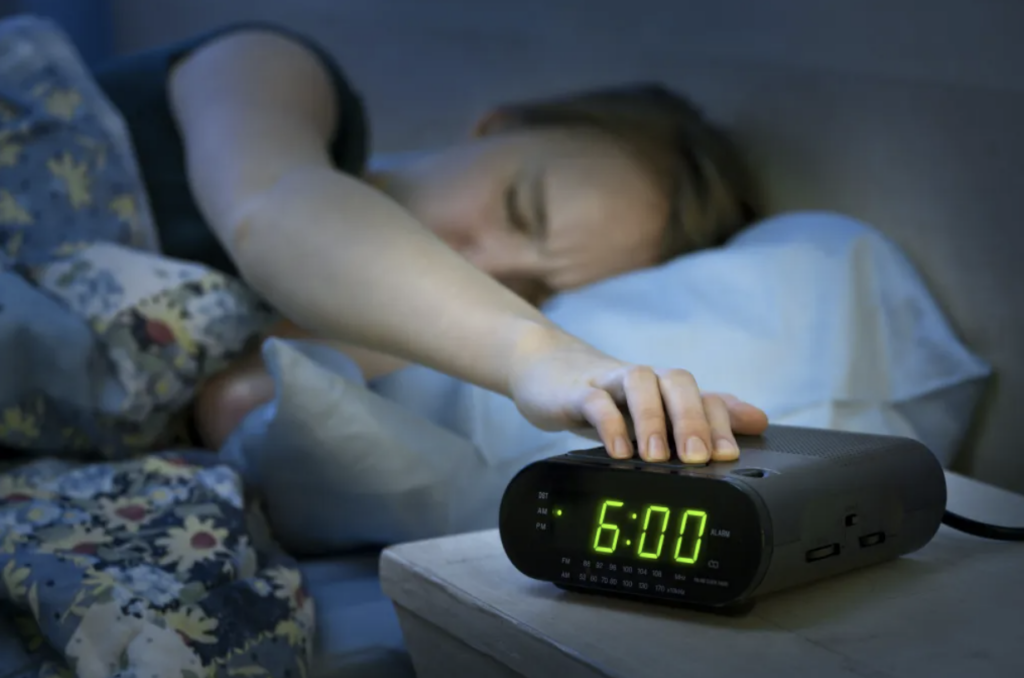
You get an extra hour of sleep, and yet you feel worse. Your alarm goes off, and you feel like you were hit by a truck.
By mid-afternoon, you’re reaching for coffee or something sweet.
Then, at bedtime, your mind suddenly switches on. That’s fatigue after the time change, and it’s more common than you think.
If that sounds familiar, I see you. I understand. And you absolutely can feel like yourself again.
That heavy, foggy, running-on-empty feeling has a name: fatigue after the time change. It’s real, it’s physical, and it’s especially common in women in their 40s and 50s. In this post, I’ll walk you through why it happens, what it does to your hormones, brain and mood, and exactly how to reset your rhythm, naturally.

Does This Sound Like You?
Before we dive in, let’s check in. Over the past week or so, have you noticed any of these?
- You wake up groggy, even after a full night in bed.
- You hit a wall around 2 or 3 PM.
- You crave sugar, carbs or one more latte.
- You feel “tired but wired” at night.
- You wake up between 2 and 4 AM and can’t fall back asleep.
- Your mood feels flat, short or teary for no clear reason.
- You walk into a room and forget why you’re there.
If you checked even two or three, you’re not imagining it. Most likely, your body clock is out of sync.
You’re Carrying So Much Already
Let’s be honest about what you’re juggling. Most of the women I work with are busy professional career women, running a household and caring for kids, partners and often aging parents too.
On top of that, there’s quiet pressure to be Superwoman and to do it all with a smile.
At the same time, many of you are moving through perimenopause or menopause. Your hormones are shifting in big ways. Then the clocks change, and your body is expected to adjust overnight.
So, of course you’re exhausted. Your body isn’t broken. Instead, it’s doing its very best under an enormous load. And the good news is that there’s a lot we can do to help it.
Time Change Fatigue: It’s Not the Hour. It’s the Light.
Here’s the part that surprised me most when I first dug into the research. The hour itself isn’t the main problem. Rather, it’s what happens to your light.
When we fall back, sunset moves an hour earlier. As a result, many of us lose the afternoon daylight we used to get on a walk or the drive home. Meanwhile, mornings stay dim, too. Since light is the number-one signal that sets your body clock, that shift matters far more than one hour on the clock.
In other words, fatigue after the time change is really a light problem. And because winter days keep getting shorter, that problem can linger long after the clocks change. That’s why some women feel off well into the holidays and beyond.
First, What Is Your Circadian Rhythm?
Your circadian rhythm is your body’s built-in 24-hour clock. It tells you when to wake up, when to feel hungry, when to focus and when to wind down. It also times the release of many of your hormones.
A master clock in your brain runs the show. However, it doesn’t work alone. Your liver, gut, ovaries and nearly every other organ keep their own clocks, too. Ideally, they all stay in step, like an orchestra following one conductor.
According to the National Institute of General Medical Sciences, light and dark have the biggest influence on these rhythms. Still, food, stress, movement and temperature also play a role. So when your light changes, the whole orchestra can fall out of tune.
What Fatigue After the Time Change Does to Your Hormones
Now, let’s talk about what this looks like inside your body. This is where I see women feel it the most.
Cortisol and Melatonin: Your Wake-Up and Wind-Down Hormones
Cortisol and melatonin work like a seesaw. In a healthy rhythm, cortisol rises in the first hour after you wake. As a result, you feel alert, focused and ready to go. Then, as evening falls, cortisol drops and melatonin rises to help you sleep.
Both of these hormones take their cues from light. So, when mornings stay dark and evenings arrive early, the seesaw can tip out of balance. For example, cortisol may rise late, leaving you groggy. Later on, it may stay high at night, leaving you wired.
On top of that, chronic stress already pushes cortisol around. For busy women, the time change can be the final straw. If this pattern feels familiar, you may also like my Adrenal Recovery Guide for Lasting Energy.
Estrogen and Progesterone: Why Midlife Makes It Harder
Your sex hormones also keep time with your body clock. In fact, the brain signals that guide your cycle are partly timed by that master clock.

Shifting estrogen and progesterone can make the time change hit harder in your 40s and 50s.
Here’s why that matters in midlife:
- Estrogen supports serotonin and dopamine, two brain chemicals linked to mood, motivation and focus. So, when estrogen dips, many women notice brain fog and low mood.
- Progesterone has a calming effect. Specifically, it’s converted into a compound that boosts GABA, your brain’s natural “relax” signal. That’s one reason sleep can unravel as progesterone declines.
- Testosterone, which women make too, is tied to drive and mental energy. It also slowly declines with age.
In perimenopause, estrogen and progesterone swing up and down before they fall. Consequently, night sweats and lighter, broken sleep become more common. Now add darker days and a shifted body clock. Suddenly, sleep, mood and focus are squeezed from two sides at once. That’s why fatigue after the time change can hit much harder in your 40s than it did in your 30s.
Thyroid and Blood Sugar: Your Energy Engines
Your thyroid also follows a daily rhythm. For instance, TSH, the signal from your brain that tells your thyroid to work, naturally rises in the evening and peaks overnight. When sleep is short or your clock is shifted, that pattern can be blunted. If you already deal with low thyroid symptoms, you might find my post on Thyroid Medication Alternatives helpful.
Blood sugar runs on a schedule, too. Generally, your body handles carbs best earlier in the day. Research has shown that when sleep and meals fall out of sync with your body clock, insulin works less well. Short sleep can also boost your hunger hormone and lower your fullness hormone. As a result, you may notice stronger cravings, energy crashes and stubborn weight around the middle.
Plus, blood sugar dips overnight can be one piece of the 2 to 4 AM wake-up puzzle. I see this pattern in my patients all the time.
How Your Brain, Mood and Gut Feel the Time Change
Your hormones aren’t the only thing affected. Your brain and gut feel it, too.
Brain Fog Is Real
Even a small amount of lost or broken sleep changes how you think. For example, reaction time slows, attention slips and memory gets fuzzy. On top of that, it becomes harder to manage stress and emotions.
Meanwhile, your brain does its deep cleaning at night. While you sleep, a special system flushes waste out of your brain tissue. So, when sleep is cut short, that cleanup gets cut short, too. For many midlife women, brain fog is one of the most frustrating parts of hormone change. You can read more in my Women’s Guide to Peptide Therapy for Midlife.
Less Light, Lower Mood
Less daylight is linked to lower mood for many people. For some, it becomes seasonal depression, which is much more than the “winter blues.” The National Institute of Mental Health explains the signs and when to get help. If your mood feels heavy most days for two weeks or more, please reach out to your provider.
Your Gut Has a Clock, Too
Digestion is naturally more active during the day and slower at night. Therefore, when your rhythm is off, things can slow down even more. That can lead to bloating, constipation or irregular trips to the bathroom.
Your gut and brain also talk to each other all day long through the gut-brain axis. In turn, a happy gut supports a calmer mind. If your gut symptoms have been hanging around for a while, my Stool Testing Review for Ongoing Gut Symptoms explains how we look deeper.
Why Winter Makes Time Change Fatigue Even Harder
As we head into winter, the days keep getting shorter and darker. Many of us wake up before sunrise and spend most of the day indoors. Consequently, our body clock misses the bright morning light it relies on to know the day has begun.

On dark winter mornings, 20 to 30 minutes with a 10,000-lux light box can stand in for the sunrise.
Fortunately, light is also one of the most powerful tools we have to fix this. Here are three that I recommend to my patients every fall:
- Natural morning light first. Get outside within an hour of waking, even when it’s cloudy. Just 10 to 30 minutes sends your body a clear “it’s morning” signal.
- A light box on dark mornings. When the sun isn’t up yet, sit near a 10,000-lux light box for 20 to 30 minutes, first thing in the morning. Keep it at eye level about 16 to 24 inches away while you sip your coffee. You don’t need to stare at it. However, if you have an eye condition or bipolar disorder, or you take medications that make you light-sensitive, check with your provider first.
- Healthy vitamin D levels. Your skin makes vitamin D from sunlight, so levels often drop in winter. Low vitamin D has also been linked to poorer sleep. Ask your provider to test your levels, and then supplement based on your results. The NIH Office of Dietary Supplements has a helpful overview.
How to Reset Your Circadian Rhythm Naturally: My 7 Simple Steps
Now for the good part. Your body clock responds beautifully to simple, steady cues. So, here’s how to ease fatigue after the time change, one small step at a time. No guilt, no extremes.
1. Keep One Wake Time, Every Day
First, pick a wake time and stick to it, even on weekends. Your wake time sets your clock even more than your bedtime does. Also, don’t force yourself into bed earlier. Instead, go to bed when you feel sleepy. Over time, that sleepiness will start to arrive earlier on its own.
2. Get Light Before Caffeine
Next, step outside or turn on your light box before your first cup of coffee. Then, if you can, wait 60 to 90 minutes after waking for caffeine. That way, you let your natural cortisol rise do its job.
3. Eat Protein at Breakfast
After that, eat breakfast within an hour of waking, and make sure it includes protein. For example, try eggs, Greek yogurt, tofu or a protein smoothie. This helps steady your blood sugar and your energy all morning long.
4. Set a Caffeine Cutoff
Similarly, give yourself a caffeine cutoff about 8 to 10 hours before bed. For most of us, that means noon to 2 PM. Keep in mind that tea, soda and energy drinks count, too.
5. Eat Dinner a Little Earlier
In addition, try to finish dinner 2 to 3 hours before bed. Build it around protein, colorful veggies and healthy fats, like salmon, avocado, nuts and seeds. If you get hungry later, have a small snack with protein or fat instead of sweets. Also, consider skipping alcohol for a while. It may help you fall asleep, but it breaks up the second half of your night.
6. Dim the Lights and Calm Your Nervous System
About 2 hours before bed, switch off bright overhead lights and use warm lamps instead. Then, start a short wind-down ritual you repeat every night. For instance, take a warm shower, write down tomorrow’s to-dos and read something on paper.
Slow breathing helps, too. Try breathing in for 4 counts and out for 6 to 8 counts for a few minutes. This gently shifts your nervous system from “go” mode to “rest” mode.
Sip a Calming Herbal Tea Before Bed
Next, make a warm cup of caffeine-free herbal tea part of your evening ritual. I love this step because it’s simple, soothing and just feels like self-care. For best results, enjoy it about 60 to 90 minutes before bed. That way, it calms you without waking you up for a bathroom trip at 2 AM.
Here are five of my favorites:
- Chamomile has been used for relaxation and sleep for centuries. It contains apigenin, a plant compound with a gentle calming effect.
- Lavender helps calm your nerves and set the mood for restful sleep.
- Tulsi (holy basil) is an adaptogen. In other words, it helps your body handle stress and supports hormone balance.
- Rose petals make a lovely, gentle tea that’s also rich in antioxidants.
- Sage is a wonderful choice in midlife, since it’s traditionally used for night sweats and hot flashes.
Want my recipes? Download my free guide, Dr. Helene’s Restful Sleep: 5 Herbal Teas to Promote Sleep.
Try Aromatherapy for Relaxation and Sleep
In addition, scent is a powerful way to signal your brain that it’s time to rest. So, while you wind down, try diffusing a relaxing essential oil blend in your bedroom. Just 1 to 3 drops is plenty.
Here are three of my go-to blends:
- Good Sleep: vetiver, ylang ylang and lavender
- Relax: cedarwood, sandalwood and ylang ylang
- Stress Buster: bergamot, lavender and cedarwood
You’ll find all of them in my free guide, Aromatherapy for Relaxation and Sleep.
A quick safety note: my blends are for diffusing only, so please don’t apply them to your skin undiluted. They’re meant for adults, so keep them away from children and pets. Also, if you’re pregnant or breastfeeding, take blood thinners, antidepressants or other medications, or have allergies, check with your naturopathic doctor before trying a new aromatherapy oil.
7. Move Your Body Outside

Morning light and movement are two of the simplest ways to reset your rhythm.
Finally, aim for at least 30 minutes of movement most days. Ideally, take a walk outside in the morning or early afternoon. That way, you get light and movement at the same time. Plus, time with friends during that walk is a bonus, since connection eases stress, too.
If you want a simple day-by-day plan, download my free 7-Day Sleep Reset [ADD DOWNLOAD LINK]. It walks you through each step, with a checklist and a sleep log.
Your Questions, Answered
Over the years, my patients have asked me the same few questions every fall. So, here are my answers.
How long does fatigue after the time change last?
For most people, the sleep shift settles within about a week. However, the darker days can keep your energy low for much longer. That’s especially true if you’re also dealing with stress or hormone changes. So, if you still feel drained after two or three weeks, it’s worth looking deeper.
Is it normal to wake up at 3 AM after the time change?
It’s very common, especially in perimenopause. Often, it’s a mix of a shifted body clock, cortisol rising too early, falling progesterone and blood sugar dipping overnight. The good news is that steady meals, morning light and a calming evening routine can help a lot.
Can fatigue after the time change affect my weight?
Yes, it can. When sleep is short and your clock is off, your hunger hormone tends to rise. At the same time, your body handles blood sugar less smoothly. Consequently, cravings get louder, and weight can creep up, especially around the middle. Fixing your rhythm is often an overlooked first step in weight balance.
When to Get Extra Support
For most women, the sleep shift itself settles within about a week. However, fatigue after the time change can stick around longer when hormones, stress and low light all pile up.
Please talk with your provider if:
- Your sleep problems have lasted three months or more.
- You snore loudly, gasp at night or wake up exhausted after a full night in bed.
- Hot flashes or night sweats wake you up often.
- Your mood feels low most days.
In my practice, I look at the whole picture. For example, we may check your thyroid, vitamin D, iron, blood sugar and sex hormones. That’s because fatigue after the time change is often the moment when deeper imbalances finally show up. Once we know the root cause, we can build a plan that fits your life.
Above all, remember that your symptoms are information, not a personal failure. They’re your body’s way of asking for support.
The Bottom Line
The clocks may only move by one hour. Still, your hormones, brain and gut all run on that clock, so you feel it everywhere. Fatigue after the time change is real, and it’s especially common for busy women in midlife. The good news is that your body wants to find its rhythm again. With the right light, food and evening habits, it usually can.
When I say I take a whole-person approach to health, this is exactly what I mean. Everything is connected.
You Don’t Have to Push Through Another Winter Exhausted
Maybe you’ve already tried going to bed earlier, cutting back on coffee or just powering through. And maybe you’re still waking at 3 AM, foggy and running on empty. That’s not because you’re doing anything wrong. Often, it’s because something deeper, like shifting hormones, stress or thyroid changes, hasn’t been addressed yet.
You deserve to feel rested, clear and like yourself again, and you don’t have to figure it out alone. I listen first, and together we’ll find the root cause, not just chase the symptoms.
Book your FREE 30-minute discovery call with me today and let’s make this the winter you finally feel like you again.
Much Love,
Dr. Helene