

If you want to boost your immune system before the holidays, let me start with a confession. Last week, I flew home from the East Coast, and my flights were canceled twice. As a result, I spent two extra days in crowded airports, sitting next to coughing strangers.
And yes, you guessed it: a few days later, I came down with the flu. Dr. Helene got sick while traveling! So I went back to the drawing board, rethought everything I was doing, and today I’m sharing my better plan with you.
I see you. You’re cooking, shopping, hosting and maybe flying, all while juggling work, kids and aging parents. I understand that the last thing you have time for is a week in bed. So let’s get your body ready, starting today.

Sneezing, a runny nose and chills are common early signs of a cold or the flu. Rest and staying warm can help your body recover.
Why Flu Season Feels Worse This Year
First, the timing. This year’s flu season arrived early. According to the CDC’s latest FluView report, flu activity is higher than usual for early November, and California is already in the high category.
In fact, the CDC estimates at least 2.6 million flu illnesses, 36,000 hospitalizations and 2,100 deaths so far this season. Meanwhile, the holidays add fuel to the fire. We travel, we gather indoors, we sleep less and we eat more sugar.
On top of that, airports and airplanes pack thousands of people into shared air for hours. That’s why now is the time to boost your immune system, not after the first sniffle.
Why Midlife Women Get Hit Harder
Here’s the hormone piece of the puzzle. During perimenopause and menopause, hot flashes and night sweats often break up your sleep. At the same time, the “Superwoman” load keeps your stress hormones high.
As you’ll see below, short sleep and ongoing stress are two of the biggest drains on your immune defenses. In other words, midlife can quietly leave you more open to every bug going around.
Also, research shows that postmenopausal women are more likely to run low on protein, vitamin D and B vitamins. I wrote about this in my post on nutrients you may be lacking in menopause. Fortunately, getting those nutrients back on track can help boost your immune system.
Signs You Need More Immune Support
Your body usually whispers before it shouts. For example, watch for these signs:
- You catch every cold that goes around the office or the family.
- Your colds linger for two weeks instead of a few days.
- You feel wiped out, even after a full night in bed.
- Cuts and scrapes heal slowly.
- You’ve been running on five or six hours of sleep.
- You lean on sugar, caffeine or snack food to get through the day.
If two or more sound familiar, it’s time to boost your immune system. The good news? Most of these signs respond well to simple daily habits.
10 Steps to Boost Your Immune System This Winter
Before we start, here’s an honest truth. Vitamins, herbs, good food, sleep and stress care can only strengthen your defenses. However, when a brand-new virus meets your immune system, you may not have every defense ready yet.
That’s exactly what happened to me. So think of these steps as building a stronger wall, not a magic force field. Now, let’s build that wall together.
1. Vitamin D: The Sunshine Vitamin for Winter Immune Health
Vitamin D is called the “sunshine vitamin” because your skin makes it in sunlight. In my post on the health benefits of vitamin D, I suggest about 15 minutes of sun a few times a week, with your arms and face uncovered. Of course, avoid getting burned.
However, in winter, many of us simply don’t get enough sun. So what does the research say? A 2021 review of 37 trials found that vitamin D slightly lowered the risk of respiratory infections, especially when people took it daily.
Then a 2025 update with more trials found a smaller effect that was no longer statistically certain. In other words, vitamin D seems to help most when you’re actually low. That’s why I always test first with a simple vitamin D3 25- OH blood test, and then we dose it right for you.
2. Get Vitamin C Every Single Day
Vitamin C is the classic cold fighter, and the research is real but modest. For example, a large Cochrane review found that taking it regularly shortened colds by about 8% in adults and 14% in children. Interestingly, it didn’t lower the number of colds for most people.
However, for people under heavy physical stress, like marathon runners and soldiers in the cold, regular vitamin C cut the risk of catching a cold about in half. Holiday travel isn’t a marathon, but it sure can feel like one!
Because timing matters, take vitamin C daily instead of waiting until you’re sick. In addition, eat citrus, kiwi, bell peppers and broccoli.
3. Keep Zinc Lozenges in Your Travel Bag
Zinc helps your immune cells grow and talk to each other. In addition, zinc lozenges may shorten a cold when you start them right away. In a review of seven trials, lozenges that gave more than 75 mg of zinc a day shortened colds by about 33%. However, lower doses didn’t help.
Still, use high-dose zinc lozenges for only a few days at a time, because too much zinc for too long can lower your copper. Also, never use zinc nasal sprays, which have been linked to a loss of smell. For everyday zinc, eat pumpkin seeds, oysters, beef and chickpeas.
4. Don’t Forget Vitamin A, Vitamin K and the B Vitamins
Vitamin A protects the lining of your nose, throat and gut, which is your first barrier against germs. According to the NIH Office of Dietary Supplements, low vitamin A weakens that barrier and slows down key immune cells. Luckily, you can get plenty from sweet potatoes, carrots, leafy greens and eggs.
Avoid high-dose vitamin A supplements unless I’ve recommended them, especially if you could be pregnant. Next, let’s talk about the B vitamins. B6, B12 and folate help your body build immune cells and antibodies.
For example, a European clinical nutrition society notes that low B6 and B12 are linked to worse outcomes in viral infections. Midlife women, vegetarians, and anyone who takes acid blockers or metformin may run low on B12.
Finally, there’s vitamin K. Early studies found that hospital patients with COVID-19 who had low vitamin K tended to do worse. That’s a link, not proof, but it’s one more reason to eat your greens.
Important: if you take a blood thinner like warfarin, don’t change your vitamin K intake without talking to your doctor first.
5. Natural Immune Boosters: Elderberry, Andrographis and Astragalus
Elderberry is my go-to at the very first sniffle. A 2019 review of four controlled trials found that black elderberry greatly reduced upper respiratory symptoms. In fact, the effect was stronger for flu than for colds as elderberry is a natural neuraminidase inhibitor. Choose a commercially prepared product, because raw berries, leaves and stems can make you sick.
Andrographis is a bitter herb from Indian and Chinese medicine. A 2017 review of 33 trials with more than 7,000 patients found it eased cough and sore throat and helped people recover sooner. That said, many of the studies were small or low quality, so I use it thoughtfully.
Astragalus is a traditional Chinese root that’s often simmered into soups and teas to build defenses before you get sick. According to the National Center for Complementary and Integrative Health, a 2023 review of 19 studies found that it enhanced immune responses, although the studies were small. However, skip astragalus if you have an autoimmune condition or take lithium or immune-suppressing drugs.
6. Quercetin and Propolis for Extra Immune Support
Quercetin is a plant compound found in onions, apples and berries. In a 2010 trial of 1,002 adults, quercetin didn’t help everyone. However, fit adults over 40 who took 1,000 mg a day had 36% milder infections and 31% fewer sick days.
That’s encouraging news for my midlife readers! Next up is propolis, the protective resin that bees use to seal their hive.
In a 2021 trial of 122 adults with mild throat and upper respiratory infections, 83% of the people using a propolis throat spray were symptom-free after three days. By contrast, 72% of the placebo group still had symptoms. Avoid propolis if you’re allergic to bees, honey or pollen.
7. Cook with Immune Support Mushrooms
Mushrooms like shiitake, maitake, reishi and turkey tail have a long history in immune care. For example, in a 2015 University of Florida study, healthy adults ate shiitake mushrooms every day for four weeks.
As a result, they had twice as many active natural killer T cells and lower inflammation. Better yet, mushrooms are delicious in soups, omelets and stir-fries.

In one study, eating shiitake mushrooms daily for four weeks made immune cells more active.
8. Fill Your Plate with Protein, Greens and Fruit
Your antibodies are made of protein, so skimping on protein means fewer building blocks for defense. Unfortunately, many women don’t eat enough. In fact, one review found that about half of women over 71 fall short.
So aim for a palm-sized portion of protein at every meal, such as eggs, fish, chicken, beans or Greek yogurt. Every meal is a chance to boost your immune system.
Next, load up on green leafy vegetables and colorful fruit. In one study, older adults who ate at least five servings of fruits and vegetables a day for 16 weeks made a stronger antibody response to the pneumonia vaccine. That’s real-world proof that produce supports your defenses.
9. Limit Sugar, Alcohol and Fast Food
Now for the hard part. Diets heavy in refined sugar, salty processed foods and fried fast food are linked to more inflammation and weaker control of infections. In other words, the holiday cookie tray isn’t doing your immune cells any favors.
Alcohol is another drain. According to the NIH, binge drinking suppresses your body’s first line of immune defense, and heavy drinking raises your risk of infection. So enjoy a treat or a toast, and then go right back to water, tea and real food.
10. Protect Your Sleep and Calm Your Stress
If you do just one thing on this list, sleep. In a 2015 study, researchers exposed healthy adults to a cold virus. As a result, people who slept six hours or less were about four times more likely to catch the cold than those who slept more than seven hours.
Stress matters just as much. In a classic 1991 study in the New England Journal of Medicine, the most stressed people had cold rates of about 47%, compared with 27% for the least stressed. Later research also showed that the longer stress lasts, the higher the risk.
So protect seven to eight hours of sleep each night. Also, take 10 minutes a day for deep breathing, prayer or a walk. And finally, give yourself permission to say no to one thing on your list.
The Wet Socks Treatment for Winter Immune Health
This classic Naturopathic treatment surprises everyone, and it’s one of my favorites. It’s safe for adults, teens and kids. Traditionally, it’s used to ease congestion, sore throats and aches, and to help you sleep when a cold is coming on.
Most of the support for it comes from tradition and clinical experience, not large studies. Even so, many families swear by it. Here’s how to do it:
- Soak a pair of thin white cotton socks in cold water, and wring them out well.
- Warm your feet for 5 to 10 minutes in a warm bath or foot bath. Don’t skip this step.
- Dry your feet and body.
- Put on the cold, damp cotton socks, cover them with thick wool socks, and go straight to bed. Don’t get chilled.
- Keep them on overnight. Usually, the cotton socks are dry by morning.
For best results, start on the first day of illness and repeat for three nights in a row. If you have a chronic illness, poor circulation or a weakened immune system, please check with me first. You can read all the details in my Wet Socks Treatment post.
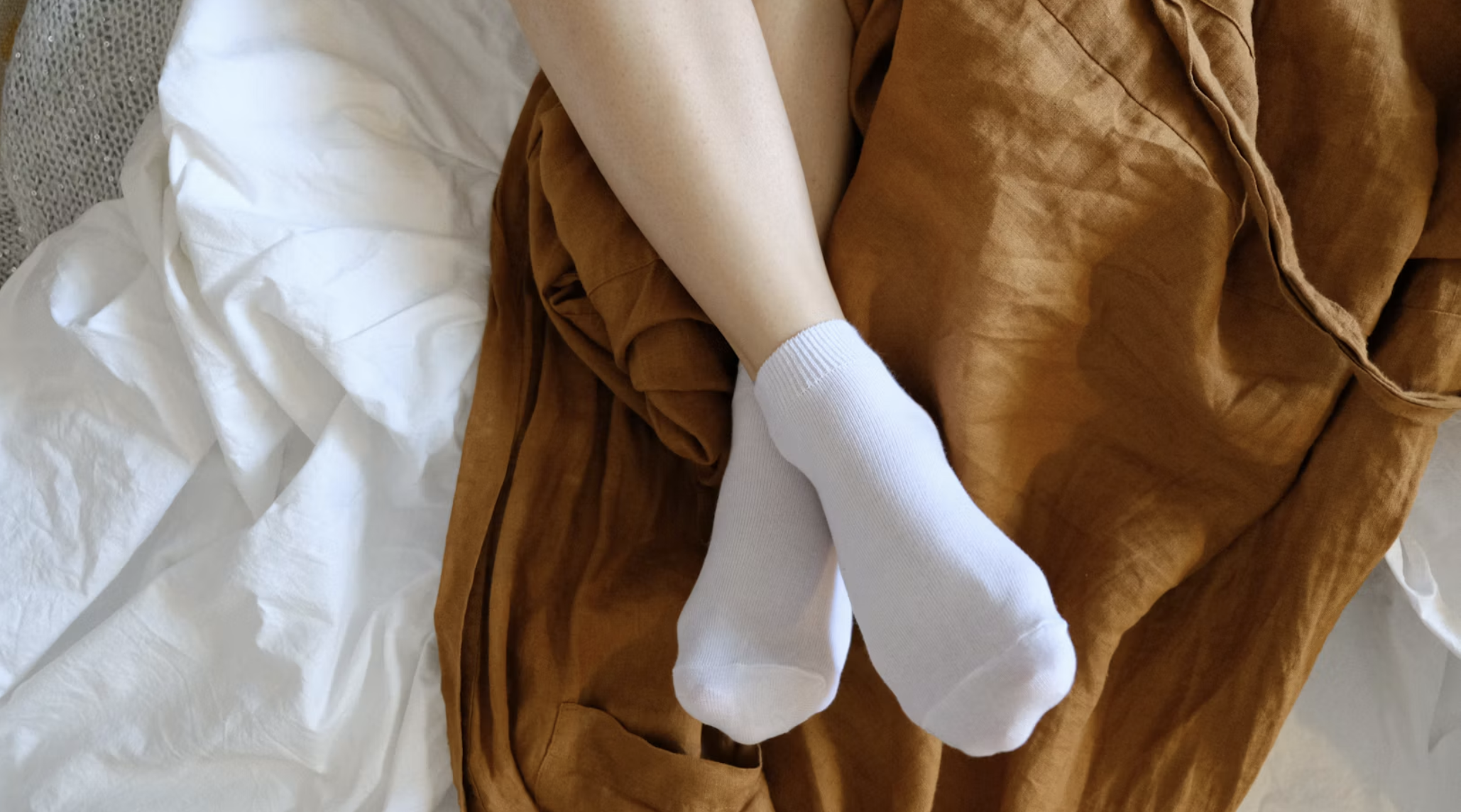
The Wet Socks Treatment: a traditional naturopathic remedy for the first sniffle.
Dr. Helene’s Chicken Soup for Immune Support
Grandma was right! In a well-known 2000 lab study, researchers found that chicken soup slowed the movement of inflammatory white blood cells, which may explain why it eases congestion. Plus, it delivers protein, minerals and warm fluids in one comforting bowl.
Simply put, it’s a delicious way to boost your immune system. Here’s my family recipe from my post on the health benefits of homemade chicken soup.
Ingredients
- 1 whole organic, free-range chicken
- 4 organic carrots, chopped
- 4 organic celery stalks, chopped
- 2 organic onions, diced
- 1/4 teaspoon thyme, fresh or dried
- 1/4 teaspoon sage, fresh or dried
- 1/8 teaspoon marjoram, fresh or dried
- 8 to 10 cups of water
- Sea salt and pepper to taste
Directions
- Place the chicken, carrots, celery, onions and herbs in a large pot.
- Add the water, and then season with salt and pepper.
- Bring to a boil. Then lower the heat and simmer for 1 to 3 hours, until the chicken falls off the bone.
- Remove the chicken, discard the bones and skin, shred the meat, and return it to the pot.
- If you like, skim the fat. Then serve hot.
For an extra immune kick, add 4 to 6 cloves of garlic, a few slices of fresh ginger and a handful of shiitake mushrooms during the last 30 minutes. You can also simmer a few slices of dried astragalus root in the broth and remove them before serving.
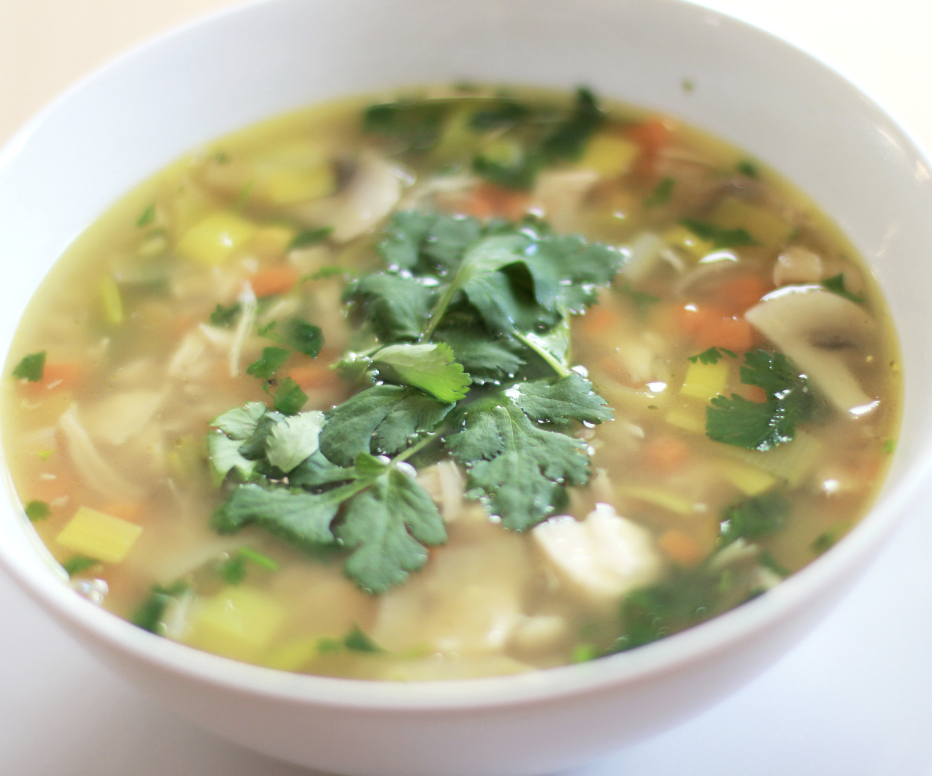
Grandma was right: chicken soup is a delicious way to support your defenses.
My Holiday Travel Plan for Flu Season Defense
Here’s my new and improved plan, built from my own airport adventure. To boost your immune system before you fly, start two weeks ahead. Then follow this simple checklist.
- Stay well hydrated, especially when traveling by air: Staying hydrated supports your airway’s natural immune defenses.
- Two weeks before: Get your vitamin D, tested start daily vitamin C, eat protein at every meal and protect seven or more hours of sleep.
- The day before: Pack zinc lozenges, elderberry, a refillable water bottle, hand sanitizer and healthy snacks.
- At the airport and on the plane: Wash or sanitize your hands often, keep your hands away from your face, sip water every hour and open the air vent above your seat.
- If delays hit: Find a quieter gate, take a walk, eat real food and skip the airport bar.
- Back home: Make chicken soup, go to bed early and start Wet Socks at the first sniffle.
Now, a quick word about masks. If you choose to wear one, a well-fitted KN95 or N95 can reduce what you breathe in. However, it’s not a guarantee.
I wore a KN95 on my trip and still got sick, partly because I took it off to eat and drink during two extra days of delays. Studies of health care workers also show that even fitted N95 masks don’t stop every infection. So whether or not you choose a mask, the habits above are your foundation.
When to See a Doctor
Natural support is powerful, but some symptoms need medical care right away. Call your doctor or get urgent care if you have:
- Trouble breathing or chest pain
- A fever above 101.4°F with a respiratory infection, or for severe body aches or headache, rash, chest pain, shortness of breath, wheezing, or confusion.
- Symptoms that get better and then come back worse
- Confusion, severe weakness or signs of dehydration
- A high-risk health condition, a pregnancy, or you’re 65 or older
Also, timing matters with the flu. The CDC notes that prescription flu medicines work best when they’re started as early as possible, especially for people at higher risk. So if you think you have the flu, call your doctor within the first day or two.
Safety First with Herbs and Supplements
Natural doesn’t always mean safe for everyone. Before you start any herb or supplement, please check with your doctor if you’re pregnant or nursing, take prescription medicines or have an autoimmune condition. Also ask before giving any of these to children.
For example, elderberry, andrographis and astragalus may not be right for people with autoimmune conditions. In addition, propolis can trigger reactions in people with bee or pollen allergies. Finally, keep all supplements and essential oils safely away from pets.

Flight delays mean more time in crowded airports. Start your immune plan two weeks before you fly.
Frequently Asked Questions
What is the fastest way to boost your immune system?
There’s no overnight fix. However, the quickest wins are sleeping seven to eight hours, cutting back on sugar and alcohol, and getting daily vitamin C, zinc and protein. Within days, these habits start giving your immune cells what they need.
Can I take elderberry if I already have the flu?
Many people use it at the first sign of symptoms, and the studies looked at people who were already sick. Still, check with your doctor first if you have an autoimmune condition, are pregnant or take medications.
How much vitamin D should I take in winter?
It depends on your blood level, your weight and your health. That’s why I test first and then personalize your dose. Because too much vitamin D can build up and cause harm, please don’t guess.
Should I wear a mask when I travel?
That’s your personal choice. A well-fitted KN95 or N95 can lower your exposure, but it won’t block everything, as I learned. Either way, focus on hand washing, sleep, hydration and good nutrition.
Does the Wet Socks Treatment really work?
Most of the support comes from tradition and clinical experience rather than large studies. However, it’s gentle and inexpensive, and many of my patients tell me they sleep better with it. I see it as one helpful tool in your winter toolkit.
It’s Not Your Fault You Keep Getting Sick
If you feel like you catch everything, please hear me. It’s not because you’re weak or doing something wrong. You’re carrying an enormous load, often on too little sleep, while your hormones shift underneath you.
Even I got knocked down this year, and I do this for a living! So let go of the guilt. Instead, let’s build a plan that fits your real life.
Imagine a Healthy, Happy Holiday Season
Imagine sitting down to Thanksgiving dinner with energy to spare. Imagine lighting the menorah or opening gifts on Christmas morning without a box of tissues by your side. And imagine flying home after the holidays feeling like yourself.
Now imagine ringing in the New Year rested, clear-headed and strong. That’s what I want for you. And you absolutely can feel like yourself again.
Book Your Free 30-Minute Discovery Call
Ready to boost your immune system with a plan made just for you? In your Free 30-Minute Discovery Call, we’ll talk about your health history and your holiday plans. We’ll also decide whether testing for vitamin D and other key nutrients makes sense for you.
Flu season is already here, and my calendar fills quickly before the holidays. You can also call my office at 949-416-4670. I see patients in person in Laguna Niguel and by telemedicine.
Book your FREE 30-minute discovery call with me today and let’s make this your healthiest holiday season yet.
Cheers to Healthy, Happy Holidays,
Dr. Helene