

It’s the Sunday before Christmas. The gifts aren’t all wrapped, the grocery list keeps growing and you’re already tired just thinking about Christmas Eve. If you’re over 40, you may also be fighting hot flashes, 3 AM wake-ups and an afternoon energy crash. But here’s the good news: a healthy Christmas doesn’t mean doing more. Instead, it means doing a few small things that protect your sleep, your stress levels and your blood sugar.
I see you. I understand. And you absolutely can feel like yourself again, even during the busiest week of the year.
In this post, I’ll share why Christmas week can feel so draining after 40, the signs you’re running on empty and 9 simple steps to help you feel calm and energized. Plus, you’ll get an easy day-by-day plan from today through Christmas Day.
Why Holiday Exhaustion Hits Harder After 40
First, let’s be honest about what’s happening in your body. After all, it’s not just the busy calendar. In fact, several things stack up at once during the holidays, especially in midlife.
Your Hormones Are Shifting
During perimenopause and menopause, estrogen and progesterone rise and fall unpredictably. As a result, many women notice more hot flashes, night sweats, anxiety and mood swings. Also, research shows that 40% to 60% of women in the menopause transition report sleep problems. So you may be starting Christmas week already short on rest.
Stress Hormones Stay Switched On
Next, there’s stress. For example, in the American Psychiatric Association’s latest holiday poll, 41% of adults said they expected more stress this holiday season than last year. In addition, their top worries included missing loved ones, affording gifts and difficult family dynamics.
So, when stress stays high, your body keeps pumping out cortisol, your main stress hormone. Over time, high cortisol can disrupt sleep, increase cravings and leave you feeling “wired and tired.”
Holiday Food Sends Your Blood Sugar on a Roller Coaster
Then, there’s the food. Cookies in the break room, candy on the counter and big, late dinners can make your blood sugar spike and then crash. Consequently, you may feel shaky, foggy, irritable or hungry again an hour later. After 40, your body often becomes less sensitive to insulin, so these swings can hit harder.
You’re Carrying the Mental Load
Finally, many women are the “Christmas managers” of the family. Often, you plan the menu, buy the gifts, remember the teachers and coordinate the visits. On top of that, you may be caring for kids and aging parents at the same time. No wonder you’re exhausted! In fact, I wrote more about this in my post on holiday stress and menopause.
Signs of Holiday Exhaustion
How do you know if the holidays are draining you? Here are some common signs I see in my patients during December:
- You wake up tired, even after a full night in bed.
- You wake at 2 or 3 AM with a racing mind or a hot flash.
- You crash in the afternoon and reach for sugar or caffeine.
- You feel snappy, teary or overwhelmed over small things.
- Your hot flashes or night sweats feel worse than usual.
- You crave sweets and carbs more than normal.
- You feel like you’re “doing Christmas” instead of enjoying it.
If several of these sound familiar, please don’t ignore them. Instead, treat them as a gentle signal that your body needs more support right now.
What a Healthy Christmas Really Looks Like
Before we get to the steps, let’s clear up a common myth. A healthy Christmas is not about perfect eating, strict rules or skipping the fun. In fact, that kind of pressure usually backfires. When we’re too strict, we often end up feeling deprived, and then we overdo it later.
Instead, I want you to think of it as a season that leaves you feeling good. For example, it means waking up with energy on Christmas morning. Also, it means enjoying a slice of pie without guilt. And most importantly, it means having the patience and presence to enjoy the people you love.
In other words, the goal isn’t to be perfect. Rather, the goal is to support your body enough that you can actually enjoy the holiday you work so hard to create. Fortunately, small, steady habits make that possible.
So, as you read the steps below, don’t try to do all nine at once. Instead, pick the ones that feel doable for your week. Even two or three small changes can help you feel calmer and more like yourself.
How to Have a Healthy Christmas: 9 Simple Steps
The good news? In short, you don’t need a big overhaul to feel better. In fact, a few small habits can make a real difference by Christmas morning. So, start with the two or three steps that feel easiest, and build from there.
1. Protect Your Sleep for a Healthy Christmas
Sleep is your foundation for a healthy Christmas. For instance, according to the CDC, most adults need at least 7 hours of sleep each night. However, during the holidays, sleep is often the first thing we give up.
Protecting your sleep is one of the best gifts you can give yourself this Christmas.
So, try to keep your bedtime and wake time within about an hour of your normal schedule, even on Christmas Eve. Also, keep your bedroom cool and dark, which can help with night sweats. If your mind races at night, a calming herbal tea may help you unwind. Luckily, you’ll find my favorites in Dr. Helene’s Restful Sleep: 5 Herbal Teas.

2. Start Every Day With Protein
Next, give your body a steady start. A breakfast with protein helps keep your blood sugar stable, so you’re less likely to crash by mid-morning. For example, try eggs with sautéed spinach, Greek yogurt with berries and nuts, or a protein smoothie.
Also, protein helps you feel full longer. As a result, you may find it easier to pass on the cookies in the break room or the candy dish at a friend’s house. If mornings are hectic, make a batch of egg muffins or overnight chia pudding on Sunday, and grab one each day.
In contrast, a breakfast of coffee and a holiday cookie can set off a blood sugar roller coaster that lasts all day. So, even on busy mornings, grab something with protein first.
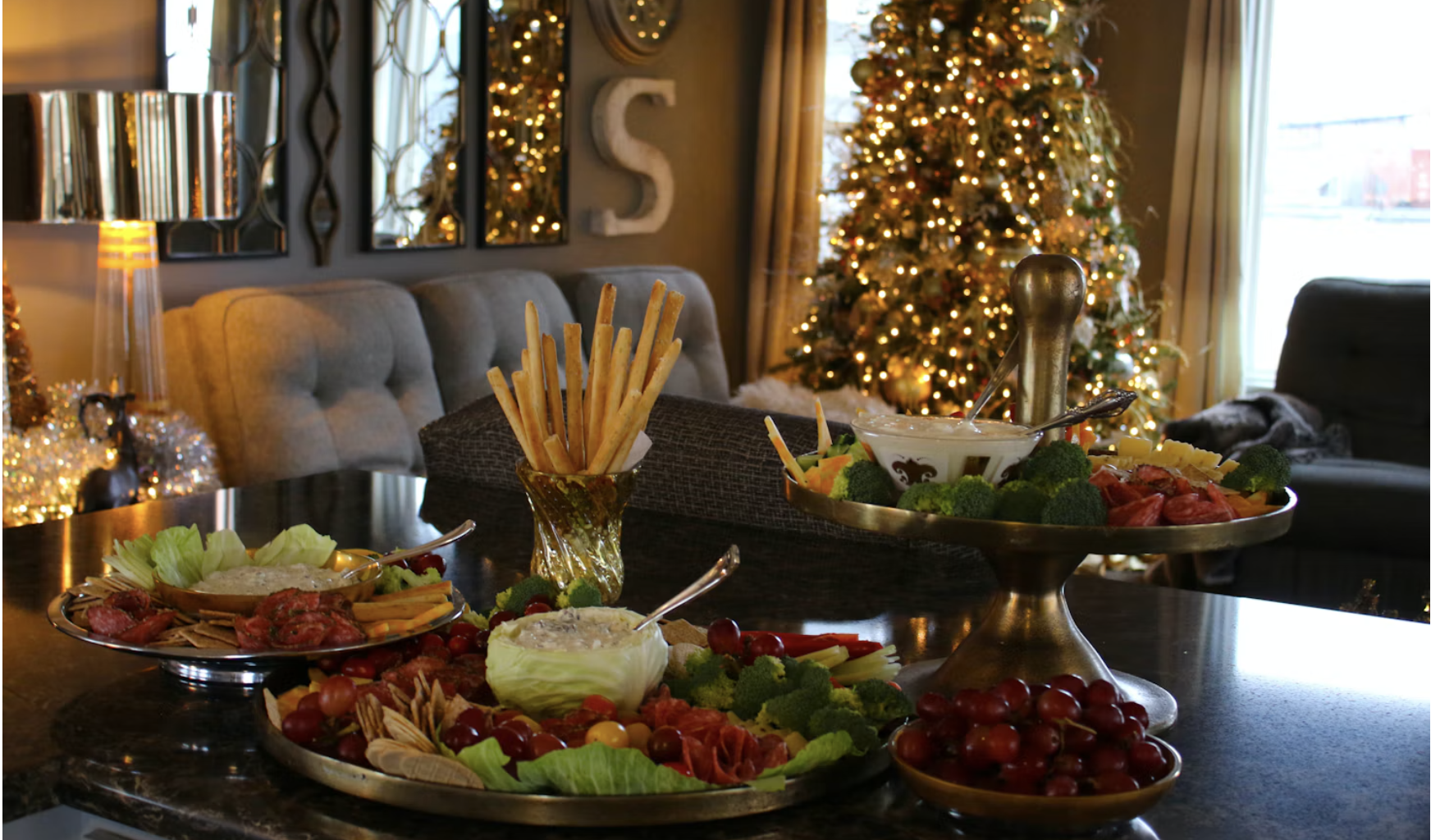
3. Build a Balanced Christmas Plate
First of all, you don’t have to skip your favorite Christmas foods. Instead, try this simple plate method at holiday meals:
Fill half your plate with colorful vegetables and fruit, then enjoy your holiday favorites.
- Half your plate: vegetables and salad, such as roasted Brussels sprouts, green beans or a big winter salad
- A quarter of your plate: protein, such as turkey, ham, salmon or roast chicken
- A quarter of your plate: your favorite starch or holiday side, like potatoes or stuffing
Then, enjoy dessert slowly, after your meal rather than on an empty stomach. Eating protein and fiber first can help soften the blood sugar spike. Also, for lighter treat ideas, see my healthy holiday treats post and free recipe book.
4. Take a Short Walk After Big Meals
This is one of my favorite holiday tips. After a big meal, take a short walk instead of heading straight to the couch. In a 2022 review published in Sports Medicine, researchers found that just 2 to 5 minutes of light walking after eating lowered blood sugar spikes better than sitting.
A short walk after Christmas dinner helps steady your blood sugar and lifts your mood.
Even better, the benefits were greatest when people moved within about 60 to 90 minutes of eating. So, after Christmas dinner, invite the family for a stroll around the neighborhood to look at the lights. Plus, it’s healthy, it’s fun and it creates a lovely memory.

5. Drink Water and Choose Festive Mocktails
Also, don’t forget to hydrate. After all, cold weather, heated homes and salty holiday food can leave you dehydrated without noticing. As a result, you may feel more tired, get more headaches or mistake thirst for hunger.
A festive non-alcoholic holiday drink with cranberry juice, fresh mint and lime to cut calories and sleep better.
So, keep a water bottle nearby and sip throughout the day. At parties, a festive mocktail is a lovely choice. For instance, try my cranberry mocktail recipe made with sparkling water, lime and fresh mint.
In addition, warm drinks count too. For example, a cup of ginger, peppermint or cinnamon tea is cozy, hydrating and caffeine-free. To make it easy, set a phone reminder to drink a glass of water every couple of hours, or start each holiday meal with a full glass of water.

6. Lower the Bar and Simplify
Here’s a question I ask my patients: “What would Christmas look like if it were easier?” Then, give yourself permission to let a few things go.
For example, buy the dessert instead of baking it. Use gift bags instead of wrapping paper. Order groceries for pickup. Also, it’s okay to say no to one party, or to leave early so you can get to bed on time.
After all, your family will remember how you made them feel, not whether every detail was perfect. A calm, present mom or grandma is the best gift under the tree.
7. Share the Load
Remember, you don’t have to do it all. In fact, asking for help is a sign of strength, not weakness. So, make a list of tasks and hand some out. For instance, kids can set the table, your partner can handle the grocery run and guests can bring a side dish. Likewise, even young children can help wrap gifts or decorate cookies.
Also, be specific when you ask. For example, “Can you peel the potatoes at 3 PM?” works much better than “Can someone help?”
8. Christmas Self-Care: Take 5-Minute Calm Breaks
When stress builds, your body needs a reset. Fortunately, even a few minutes can help. So, step into a quiet room, sit down and try slow breathing: breathe in for a count of 4, then breathe out for a count of 6. Then, repeat for two to three minutes.
As a result, slow breathing helps shift your nervous system out of “fight or flight” mode. In addition, it can help ease the feeling of a hot flash building. Try it before guests arrive, after a tense conversation or before bed.
Also, other quick self-care breaks work well too. For example, step outside for fresh air and sunlight, stretch for five minutes or put on a favorite Christmas song and simply listen. Even a short pause between tasks can help you feel more patient and present.
9. Make Time for Joy and Gratitude
Finally, make room for what you love about Christmas. For example, that might be a favorite movie, a candlelit bath, a holiday concert or a quiet cup of tea with a good book. Then, schedule it on your calendar, just like any other appointment.
Schedule a little joy into your Christmas week, just for you.
Also, at the end of each day, write down three things you’re grateful for. It’s a simple way to calm your mind before sleep. If you missed it, read my post on how to build a gratitude practice, and download my free 365-Day Gratitude Journal.

Your Healthy Christmas Plan: December 20 to 25
Ready to put it all together? Here’s a simple day-by-day plan for the week. Best of all, each day focuses on just one or two easy habits.
- Sunday, December 20: Make your “let it go” list. Then, choose three tasks to delegate or skip.
- Monday, December 21: Set a steady bedtime for the week. Also, start each morning with a protein breakfast.
- Tuesday, December 22: Finish your shopping, then take a 10-minute walk to clear your head.
- Wednesday, December 23: Prep ahead. For example, chop vegetables and set the table early, and ask for help.
- Thursday, December 24 (Christmas Eve): Take a 5-minute calm break before guests arrive. Then, write down three things you’re grateful for before bed.
- Friday, December 25 (Christmas Day): Build a balanced plate, enjoy dessert slowly and take a family walk after dinner.
- Saturday, December 26: Rest! Then, sleep in a little, drink plenty of water and eat simple, nourishing leftovers.
By following this plan, you’ll head into the New Year feeling more rested and more like yourself. Next Sunday, I’ll share how to set New Year health goals that actually last, so stay tuned!
When to Get Extra Support
Healthy habits can do a lot. However, some symptoms need more than a few holiday tips. Please talk to your doctor if you notice:
- Fatigue that doesn’t improve with rest
- Hot flashes or night sweats that wake you most nights
- Anxiety, low mood or irritability that lasts more than two weeks
- Blood sugar crashes, shakiness or strong cravings most days
- Heart palpitations, chest pain or shortness of breath (seek care right away)
Also, the holidays can be especially hard if you’re grieving, lonely or going through a tough time. If you ever have thoughts of harming yourself, please call or text 988, the Suicide and Crisis Lifeline, any time, day or night.
In fact, many symptoms that feel like “just holiday stress” can be linked to hormones, thyroid, blood sugar, adrenal function or nutrient levels. And that’s exactly what I look for in my practice.
Healthy Christmas FAQs
Can I still enjoy my favorite foods at Christmas? Absolutely! A healthy Christmas is about balance, not perfection. Fill half your plate with vegetables, add protein and then enjoy your favorites slowly and without guilt.
Why do I feel so tired during the holidays after 40? Several things add up at once: hormone shifts, poor sleep, higher stress and blood sugar swings from holiday food. The good news is that small changes, like a steady bedtime and protein at breakfast, can help quickly.
How can I sleep better with hot flashes during the holidays? First, keep your bedroom cool, wear light layers to bed and try to keep a steady bedtime. Also, limit sugary desserts and heavy meals late in the evening, since they may make night sweats worse for some women.
Is it okay to skip some holiday traditions? Yes. In fact, simplifying can be one of the healthiest choices you make. So, keep the traditions that bring you joy, and let go of the ones that only bring stress.
What should I do the day after Christmas? First, rest, hydrate and return to your normal routine. Don’t try to “make up” for Christmas by skipping meals. Instead, eat simple, balanced meals and take a gentle walk.
It’s Not Your Fault You Feel Exhausted
Let’s be honest. In fact, for many women, Christmas can feel more like a job than a celebration. You’re shopping, cooking, cleaning, hosting and making magic for everyone else. Meanwhile, you’re running on too little sleep and too much coffee.
Please hear me: it’s not your fault. Your hormones are changing, your stress hormones are working overtime and you’ve been carrying so much for so long. After all, that’s not a lack of willpower. Rather, it’s your body asking for care and support.
Imagine a Calm Christmas
Now, imagine waking up on Christmas morning feeling rested, instead of dragging yourself out of bed. Imagine sitting down to Christmas dinner feeling calm and present, actually enjoying the people you love.
Also, imagine going through the holidays with no hot flashes, no mood swings and great sleep. And imagine starting the New Year with steady energy, balanced hormones and a body that feels like yours again. That’s absolutely possible, and I’d love to help you get there.
Book Your Free 30-Minute Discovery Call With Dr. Helene
If you’re tired of feeling exhausted, overwhelmed or “not yourself,” you don’t have to figure it out alone. In your Free 30-Minute Wellness Discovery Call, we’ll talk about your sleep, energy, stress and hormones. Then, together, we’ll map out a natural, personalized plan to help you feel calm, energized and balanced again.
My calendar fills quickly in late December and early January, so please don’t wait. So, give yourself the gift of feeling like yourself again in the New Year.
Schedule Your Free 30-Minute Discovery Call Now →
Or call 949-416-4670 or email info@pcnaturopathichealth.com. I see patients in person in Laguna Niguel, CA, and by telemedicine.
Wishing you and your family a peaceful, joyful and healthy Christmas.
Much Love,
Dr. Helene