
A continuous glucose monitor review can sound like a simple product comparison, but the more useful question is personal: will seeing your glucose patterns help you feel better, make clearer nutrition choices, and understand what your body has been trying to tell you? For someone dealing with stubborn weight changes, afternoon fatigue, intense cravings, poor sleep, or brain fog, the answer may be yes – with the right expectations and clinical context.
A continuous glucose monitor, often called a CGM, is a small wearable sensor that measures glucose in the fluid beneath your skin throughout the day and night. It can reveal patterns that a single fasting blood sugar test may miss. But a CGM is a tool, not a diagnosis, and more data does not always equal more clarity.
What a Continuous Glucose Monitor Can Show You
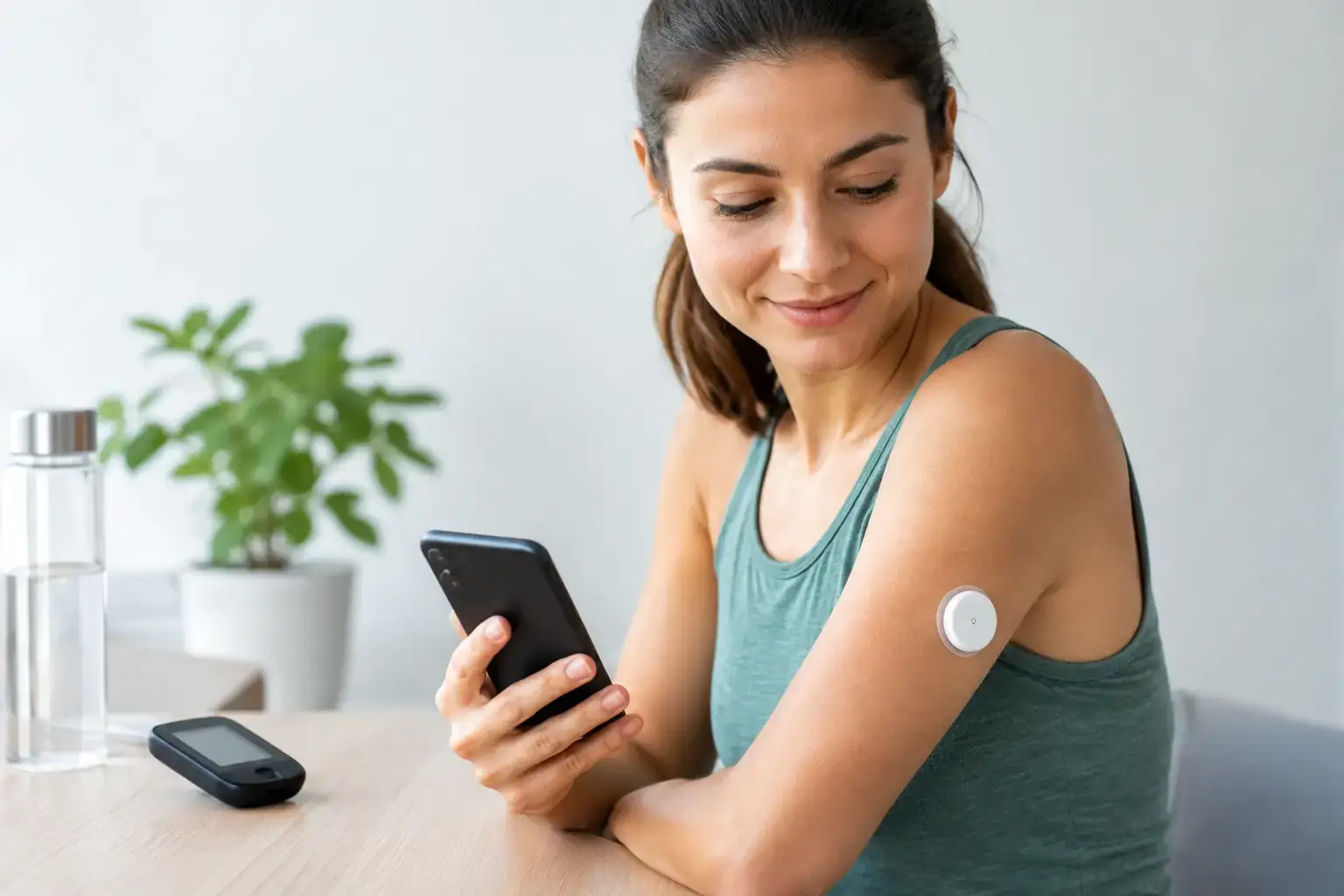
Most CGMs use a small sensor placed on the back of the upper arm or another approved site. The sensor sends readings to a phone app or receiver, showing your current glucose level, trends, and how your level changes after meals, exercise, stress, and sleep.
For people with diabetes, CGMs can be essential for managing medication and preventing dangerous highs or lows. For people without diabetes, they may offer useful feedback about metabolic health, especially when symptoms suggest that blood sugar regulation could be part of a larger picture.
You may notice, for example, that a sweetened coffee and a rushed breakfast leave you hungry again by midmorning, while a breakfast with protein, fiber, and healthy fat supports steadier energy. You may also see that a short walk after dinner changes your overnight trend, or that a stressful workday affects glucose even when your meals look the same.
Those observations can be empowering. They turn vague advice such as “eat better” into information about your own physiology.
Continuous Glucose Monitor Review: Benefits and Limits
The best continuous glucose monitor is not necessarily the one with the most colorful app or the most graphs. It is the one that provides reliable information you can understand and use without becoming overwhelmed by it.
A CGM can be especially helpful when you are trying to identify patterns around cravings, energy crashes, meal timing, sleep, and exercise. It may encourage more balanced meals and help you see the difference between a food that is technically “healthy” and a meal that actually leaves you feeling steady and satisfied.
That said, glucose naturally rises after eating. A rise is not a failure, and it does not mean a food is unhealthy. Fruit, oats, beans, and other nourishing foods can raise glucose while still providing fiber, vitamins, minerals, and long-term health benefits. A single spike on an app cannot tell you whether a food belongs in your diet.
CGMs also measure interstitial glucose, not blood glucose directly. Readings can lag behind rapid changes in blood sugar, particularly after meals or intense activity. Pressure on the sensor while sleeping can sometimes create a falsely low reading. Hydration, sensor placement, and normal device variation can affect results as well.
For this reason, avoid making major dietary restrictions based on one reading. Look for repeatable trends over several days, then consider them alongside your symptoms, medical history, medications, menstrual or menopausal status, sleep, stress load, and relevant lab work.
Who May Benefit Most From Wearing a CGM?
A short-term CGM trial may be worthwhile for adults who feel as though their energy and appetite are on a roller coaster. It can be particularly insightful for people who experience frequent cravings, unexplained afternoon fatigue, difficulty losing weight despite consistent effort, or a strong family history of type 2 diabetes.
Women in perimenopause and menopause may find the data useful, but it should be interpreted with care. Changes in estrogen, progesterone, sleep quality, muscle mass, stress hormones, and activity can all influence insulin sensitivity and body composition. The goal is not to chase perfect numbers. The goal is to understand what supports your energy, mood, hunger cues, and metabolic resilience.
A CGM may also be useful when beginning a structured nutrition or weight-management plan. Rather than relying on generic rules, you can observe how meal composition and daily routines affect you. Some people learn that they need more protein at breakfast. Others find that skipping meals leads to overeating later, or that a consistent bedtime makes their morning readings more stable.
However, a CGM is not ideal for everyone. If tracking food, weight, or health metrics tends to increase anxiety or trigger rigid eating behaviors, more data may not be supportive right now. A compassionate, food-first approach can be far more healing than constant monitoring.
How to Use CGM Data Without Becoming Obsessed
The most valuable approach is to use your CGM as a short-term learning tool, not a report card. Before applying a sensor, choose one or two questions you want to explore. You might ask: Do I feel better when I eat breakfast? Which lunches keep me satisfied through the afternoon? Does a walk after dinner improve my morning energy?
Keep a simple note of meals, sleep, movement, stress, and symptoms. You do not need to log every bite. A few meaningful observations are enough to connect the graph with real life.
When you notice a higher-than-expected response, experiment gently. Pair carbohydrates with protein, fiber, and fat. Slow down your meal. Choose water instead of a sugary beverage. Take a 10-minute walk after eating. Do not assume you must eliminate a food forever because of one glucose curve.
It can also help to focus on patterns beyond the immediate meal. A poor night of sleep, a busy week, dehydration, illness, and emotional stress can all affect glucose regulation. If your readings seem erratic, your body may be asking for rest and consistency, not more restriction.
What to Consider Before You Buy
Cost, insurance coverage, app usability, sensor wear time, and skin sensitivity vary by device and by individual. Some CGMs require a prescription, while certain consumer-focused options may be available without one. Availability and coverage can change, so confirm the current details with the manufacturer, pharmacy, and your insurance plan.
If you take insulin, sulfonylureas, or other glucose-lowering medications, do not start using CGM data to adjust doses on your own. Discuss your plan with the clinician managing your medication. A CGM reading that does not match how you feel should be confirmed according to your device instructions, especially if you have symptoms of low blood sugar.
It is also worth considering what you want from the experience. If your goal is to understand a few lifestyle patterns, one sensor period may provide plenty of insight. If you have prediabetes, diabetes, or complex metabolic concerns, ongoing monitoring under medical guidance may make more sense.
A Root-Cause Lens Matters More Than a Glucose Graph
Glucose patterns are one piece of the puzzle. They do not fully explain fatigue, weight gain, hair thinning, insomnia, digestive symptoms, or brain fog. Thyroid function, iron status, nutrient intake, gut health, inflammation, hormone shifts, medication effects, and chronic stress can all contribute to how you feel.
This is where personalized care makes the data more useful. At Pacific Naturopathic Health, a functional medicine approach can place CGM patterns within the context of your symptoms, health history, nutrition, and appropriate testing. Instead of reacting to every number, you can build a practical plan that supports steadier energy, balanced hormones, and sustainable weight management.
A CGM can offer a helpful window into your daily metabolic patterns, but you deserve more than a graph. Use the information with curiosity, nourish yourself consistently, and let your symptoms and your lived experience guide the next supportive step.