
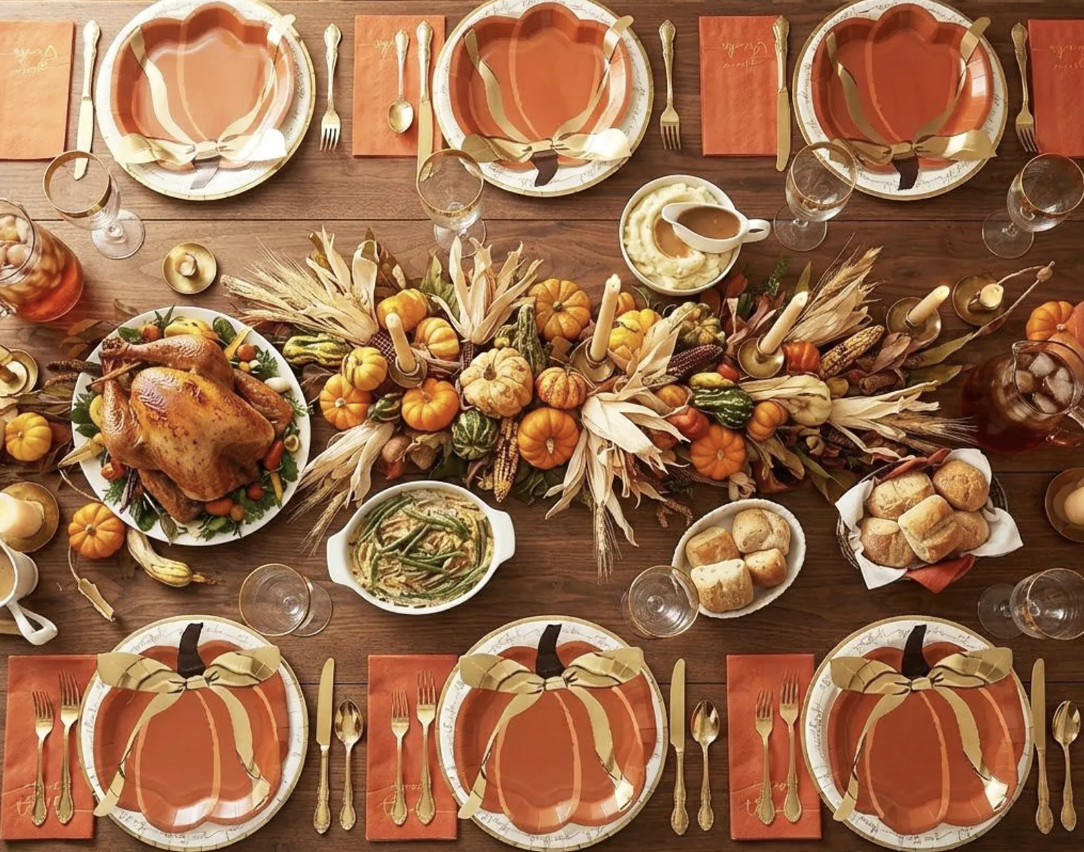
You put on your favorite holiday outfit in the morning, and it fits perfectly.
By the afternoon, though, your waistband is digging in.
By dinner, your belly feels tight, puffy and uncomfortable.
Then, after the big meal, you’re ready to unbutton your pants and lie down on the couch.
That’s holiday bloating, and it can make the season feel a lot less merry.
Sound familiar?
If so, you’re far from alone. In fact, bloating is one of the most common complaints I hear from women in their 40s and 50s, and it often gets worse between Thanksgiving and New Year’s.
Here’s the good news: holiday bloating isn’t something you just have to live with. Once you understand why it happens, you can calm it, often in just a few days. In this guide, you’ll learn what’s really causing your bloating, why hormones make it worse in midlife, and 10 simple steps to feel lighter and more comfortable before Thanksgiving arrives.
What Is Bloating After 40, Really?
First, let’s define it. Bloating is that full, tight or swollen feeling in your belly. Sometimes your stomach also looks bigger, which doctors call distension. Often, it comes with gas, burping, cramping or a feeling that your food is just sitting there.
According to Cleveland Clinic, common causes include excess gas, constipation, food intolerances, bacterial overgrowth in the small intestine and hormone changes. In other words, bloating is usually a message from your gut, not a mystery.
Why Holiday Bloating Hits So Hard
Next, let’s look at why the season makes it so much worse. During the holidays, nearly every habit that triggers bloating shows up at once.
- Bigger, richer meals. Large portions of fatty, heavy food slow down digestion. As a result, food sits in your stomach longer.
- Eating fast. Busy schedules and lively parties often mean eating quickly. Unfortunately, that means swallowing more air and chewing less.
- More salt. Ham, stuffing, gravy, cheese trays and appetizers are often loaded with salt, which makes your body hold on to water.
- More sugar and alcohol. Cookies, pie, cocktails and wine can feed gas-producing bacteria and irritate your gut.
- Carbonated drinks. Sparkling wine, soda and seltzer add bubbles of gas straight into your belly.
- Less movement. Long car rides, flights and hours at the table slow your digestion down.
- More stress. Hosting, travel and family dynamics affect your gut more than you might think.
Put simply, the holidays create a perfect storm for your digestion. That’s why bloating can feel so much stronger at this time of year.
Midlife Hormones and Belly Bloat
Now, here’s the part many women don’t know. Your hormones play a big role in how your belly feels.
In fact, a study presented at the 2025 Annual Meeting of The Menopause Society surveyed nearly 600 women in midlife. According to the Menopause Society’s press release, 94% reported digestive symptoms, and bloating was the most common, affecting 77%. In addition, 82% said their symptoms started or got worse during perimenopause or menopause.
So, why does this happen? Here’s what’s going on:
- Estrogen and water retention. When estrogen rises and swings, your body may hold on to more water. That can leave you feeling puffy, especially before your period.
- Progesterone and slower digestion. Progesterone relaxes smooth muscle, including the muscles in your gut. As a result, food can move more slowly, leading to constipation and gas.
- Falling estrogen and your gut bacteria. As estrogen declines, the balance of bacteria in your gut can shift. Consequently, some women notice new food sensitivities or more gas.
- Stress hormones. High cortisol can slow digestion and make your gut more sensitive. If you often feel “wired and tired,” my Adrenal Recovery Guide for Lasting Energy explains how stress affects your whole body, including your gut.
In other words, if your belly feels more bloated now than it did in your 30s, you’re not imagining it. Your hormones really are changing the way your gut works.
The Most Common Causes of Belly Bloat
Beyond hormones, a few other common culprits are worth knowing. Often, more than one is at play.
Swallowed air. You swallow more air when you eat or drink quickly, chew gum, suck on hard candy or drink carbonated beverages. That air has to go somewhere.
Gas-producing foods. Some foods contain sugars, starches and fibers that your small intestine doesn’t fully digest. Then, bacteria in your large intestine ferment them and make gas. Common examples include beans, onions, cabbage, broccoli, and sugar alcohols in “sugar-free” treats.
Constipation. When stool moves slowly, gas gets trapped behind it. Therefore, even mild constipation can leave you feeling full and puffy.
Food sensitivities and intolerances. Lactose in dairy, fructose in some fruits and sweeteners, and the carbs in wheat can all cause bloating in sensitive people. In addition, some women react to everyday foods like dairy, gluten, eggs or nuts. I explain how these reactions work in understanding food sensitivities and why testing matters.
SIBO. Small intestinal bacterial overgrowth happens when bacteria that normally live in the large intestine grow in the small intestine. As a result, they ferment food too early, causing gas and bloating soon after eating.
Low stomach acid or digestive enzymes. If your body doesn’t break food down well, it can sit and ferment. Some women notice heaviness, burping or bloating right after meals.
Holiday Foods That Commonly Cause Bloating (and Gentler Swaps)
You don’t have to skip your favorite dishes. However, knowing which foods tend to cause gas can help you plan your plate. Here are some common holiday culprits, plus easy swaps:
- Stuffing and dinner rolls. Large amounts of bread can bother people who are sensitive to wheat. Instead, enjoy a smaller scoop, or try a wild rice or quinoa stuffing.
- Creamy casseroles and dips. Rich, dairy-heavy dishes digest slowly, and lactose can cause gas. So, choose roasted vegetables, or keep creamy sides to a spoonful.
- Green bean casserole and Brussels sprouts. These veggies are healthy, yet they can be gassy in large amounts. Cooking them well and pairing them with ginger, garlic or fennel can help.
- Sugar-free candies and desserts. Sugar alcohols like sorbitol and xylitol are common bloating triggers. Therefore, a small portion of the real thing is often easier on your belly.
- Sparkling drinks. Champagne, cider and soda add gas directly. Instead, try still water with cranberries and orange slices, or a warm mug of spiced herbal tea.
- Heavy, late-night leftovers. Eating a big plate right before bed gives your gut little time to digest. So, try to finish eating two to three hours before bedtime.
Could Your Belly Bloat Be a Food Sensitivity?
I know this one personally. My family’s holiday meals go on for hours, with course after course and plenty of dessert. For years, my belly felt uncomfortable for days afterward. Then, testing finally showed why: wheat, gluten and dairy were at the top of my sensitivity list. I share that story in my post on how to avoid holiday tummy aches.
Food sensitivities don’t always show up in your gut, either. Along with bloating, they can show up as headaches, fatigue, brain fog, skin flare-ups or mood swings. And because reactions can appear hours later, the trigger is often hard to spot.
So, how do you find yours? A simple elimination diet is one option. You remove a suspected food for a few weeks, then add it back and notice how you feel. Alternatively, testing can help narrow down the list. Either way, once you know your triggers, you can plan your holiday plate with confidence.
5 Signs Your Bloating After 40 Needs More Attention
Occasional bloating after a big meal is completely normal. However, some patterns suggest something more is going on. Pay attention if:
- You’re bloated most days, not just after big meals.
- Your belly is flat in the morning but swollen by evening, day after day.
- You have constipation, loose stools or both.
- You react to more foods than you used to.
- You also feel tired, foggy or have skin flare-ups.
If several of these sound familiar, your gut may need deeper support. My stool testing review for ongoing gut symptoms explains how testing can uncover bacterial imbalances, yeast, inflammation and digestion problems.
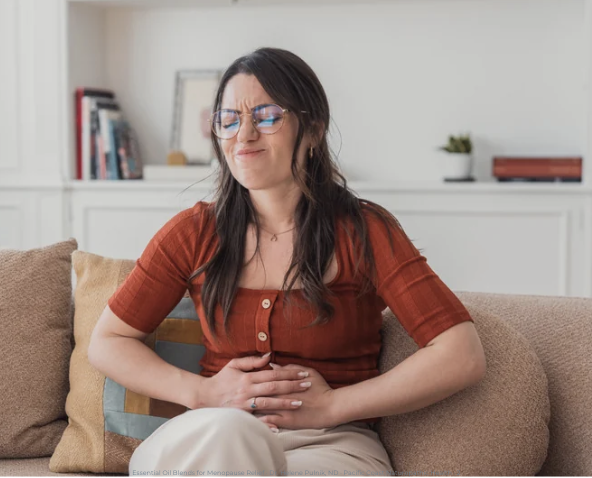
If you’re reaching for the couch after every meal, your gut is asking for support
10 Simple Steps to Calm Holiday Bloating
Now for the practical part. These 10 steps are easy to start, even during the busiest weeks of the year. You don’t need to do them all at once. Instead, choose two or three and add more as you go.
1. Slow Down and Chew Well
First and foremost, digestion starts in your mouth. When you chew slowly and thoroughly, your stomach has less work to do. In addition, you swallow less air.
Try putting your fork down between bites and chewing each mouthful 15 to 20 times. It may feel strange at first. Yet many women notice less bloating within days.
2. Eat Until You’re Comfortably Satisfied
Next, stop eating when you feel about 80% full. It takes about 20 minutes for your brain to notice your stomach is full. So, if you wait for that “stuffed” feeling, you’ve usually eaten too much.
At holiday meals, serve yourself a reasonable portion, enjoy it slowly, then wait before going back for seconds.
3. Lead With Protein and Cooked Vegetables
Protein helps steady your blood sugar and keeps you satisfied, so you’re less likely to overeat. Meanwhile, cooked vegetables are often easier to digest than large amounts of raw ones.
For example, build your plate around turkey, fish or chicken, plus roasted carrots, green beans or squash. For more on protein, read my post on menopause protein needs for energy and muscle.
4. Go Easy on the Bubbles
Carbonated drinks add gas directly to your belly. Therefore, during the holidays, swap some of the sparkling wine, soda and seltzer for still water or herbal tea.
5. Watch the Salt
Salty foods make your body hold on to water, which adds to that puffy feeling. So, go easy on cured meats, chips, cheese trays and heavily salted sides.
Instead, flavor your dishes with fresh herbs, lemon, garlic and spices. In addition, eat potassium-rich foods, like sweet potatoes, leafy greens and avocado, which help balance salt.
6. Notice Your Trigger Foods
Everyone’s gut is different. For instance, beans and onions may bother one person but not another. Likewise, dairy might cause gas for you while bread is fine.
So, keep a simple food and symptom journal for one week. Write down what you ate and how your belly felt a few hours later. Before long, you’ll likely spot a pattern.
7. Sip Herbal Teas for Bloating Relief
Warm herbal teas are a gentle, comforting way to ease holiday bloating. In particular, ginger, peppermint and fennel are traditionally used to support digestion and relieve gas.
For example, enjoy a cup of ginger or fennel tea after a big meal. However, if you have reflux or heartburn, go easy on peppermint, since it can make reflux worse for some people.
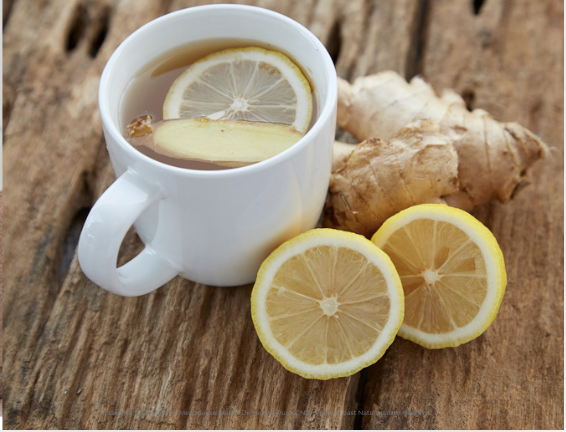
A warm cup of ginger tea after a big meal is a gentle way to support digestion.
8. Take a Walk After Meals
A short walk after eating is one of the best things you can do for your gut. Movement helps gas move through your digestive tract and gets things flowing. As a bonus, it also helps your blood sugar.
Even 10 to 15 minutes makes a difference. Better yet, make it a holiday tradition and invite the whole family.
9. Add Fiber and Fermented Foods Slowly
Fiber keeps you regular and feeds your helpful gut bacteria. Similarly, fermented foods like sauerkraut, kimchi, kefir and plain yogurt add beneficial bacteria.
However, adding too much too fast can actually increase bloating. So, start small, with a spoonful of fermented food or one extra serving of vegetables a day. Also, drink plenty of water as you add fiber. If you have SIBO or histamine issues, check with your provider first, since fermented foods can make some symptoms worse.

A short family walk after dinner helps move gas along and eases that stuffed feeling.
10. Calm Your Stress Before You Eat
Finally, your gut and brain are closely connected. When you’re stressed, your body shifts into “fight or flight” mode, and digestion slows down.
So, before you eat, pause and take three slow breaths: in for four counts, out for six. This simple habit helps shift your body into “rest and digest” mode. It’s especially helpful before a big family dinner.
Your Thanksgiving Day Bloating Relief Plan
To put this all together, here’s a simple plan for the big day:
- Morning: Drink a big glass of water and eat a protein-rich breakfast. That way, you won’t arrive at dinner starving.
- Afternoon: Take a walk or join a turkey trot. Then, sip still water or herbal tea instead of soda.
- Before dinner: Take three slow breaths at the table.
- At dinner: Fill your plate with turkey and cooked vegetables first. Then add your favorite sides in reasonable portions. Eat slowly and chew well.
- After dinner: Take a 10- to 15-minute family walk. Then, enjoy a cup of ginger or fennel tea.
- Dessert: Choose the one you love most, and savor a smaller slice.
Of course, you don’t have to be perfect. Even following a few of these steps can make Thanksgiving much more comfortable.
A short family walk after dinner helps move gas along and eases that stuffed feeling.
Quick Relief When Holiday Bloating Strikes
Even with the best plan, holiday bloating can still sneak up on you. When it does, try these gentle tips for fast relief:
- Walk it out. A slow, 10-minute walk is often the quickest way to move trapped gas.
- Try gentle movement. For example, lie on your back and hug your knees to your chest, or try a gentle seated twist.
- Use warmth. A warm compress or heating pad on your belly can ease cramping.
- Sip warm tea. Ginger, fennel or chamomile tea can soothe your belly.
- Massage your belly. Gently rub in slow clockwise circles, following the path of your colon.
- Loosen up. Tight waistbands make bloating feel worse. Choose comfortable clothes for long holiday meals.
Holiday Bloating and Your Daily Routine
While Thanksgiving gets most of the attention, the weeks between November and January bring many more gatherings. So, it helps to build a few daily habits that keep your gut calm all season long.
For instance, keep regular meal times, even on busy days. Your gut has its own daily rhythm, and steady meals help it work smoothly.
If the recent time change has thrown your sleep and digestion off, read my post on fatigue after the time change, which explains how your body clock affects your gut, too.
Also, protect your sleep. Poor sleep can increase cravings and stress, both of which affect digestion. Finally, stay hydrated, keep moving every day and make time to relax. These simple basics make bloating much less likely.
What Testing Can Reveal
If your bloating doesn’t improve with simple changes, testing can help you stop guessing. As a naturopathic doctor, I look at the whole picture.
For example, a comprehensive Microbiome stool test can show leaky gut, inflammation, bacterial balance, yeast, inflammation and how well you’re digesting food.
In addition, a breath test can check for SIBO.
Meanwhile, blood work can look at thyroid function, iron, celiac markers and hormones.
That’s important, since a slow thyroid can cause constipation, and shifting hormones can affect digestion.
Once we know the real cause, we can create a plan that fits your body instead of trying one diet after another.
When to See a Doctor
Most holiday bloating is uncomfortable but harmless. However, some symptoms need medical attention.
Please see a healthcare provider right away if bloating comes with:
- Severe or worsening belly pain
- Fever or vomiting
- Blood in your stool or black, tarry stools
- Unexplained weight loss
- Trouble eating or feeling full after just a few bites
- A sudden change in bowel habits that lasts more than a couple of weeks
Also, if you’re bloated most days for weeks, it’s worth getting checked.
Ongoing bloating in women can sometimes be linked to conditions that need evaluation, so please don’t ignore it.
Frequently Asked Questions
Why do I get bloated after every holiday meal? Large portions, rich foods, salt, alcohol, carbonated drinks and eating quickly all contribute. In addition, midlife hormone changes can slow digestion and increase water retention, so holiday bloating often feels worse after 40.
Can perimenopause cause bloating? Yes. Shifting estrogen and progesterone can affect water retention, digestion speed and gut bacteria. In fact, bloating is one of the most common digestive symptoms women report in midlife.
What’s the fastest way to relieve bloating? A gentle walk, warm herbal tea, belly massage and comfortable clothing often help within minutes to hours. However, if bloating happens most days, it’s best to look for the root cause.
Should I cut out gluten or dairy to stop bloating? Not necessarily. Some people react to these foods, while others don’t. Instead of cutting out whole food groups on your own, keep a food journal or consider testing to find your true triggers.
Can stress cause bloating? Absolutely. Your gut and brain are closely linked, so stress can slow digestion, make your gut more sensitive and increase gas and discomfort.
You Deserve to Feel Comfortable in Your Own Body
Let’s be honest. It’s hard to enjoy the holidays when your belly feels tight and uncomfortable after every meal. Maybe you’ve started choosing outfits based on what hides your bloating. Or perhaps you dread big dinners because you know how you’ll feel afterward.
Maybe someone even told you that bloating is “just part of getting older.” Please hear me: it doesn’t have to be. Your gut is giving you information, and with the right support, it can feel calm and comfortable again.
Imagine sitting down to Thanksgiving dinner, enjoying every bite, and still feeling light and comfortable afterward. Imagine wearing your favorite outfit all evening without unbuttoning anything. That’s absolutely possible, and it can start this week.
Book Your Free 30-Minute Discovery Call Today
In your Free 30-Minute Wellness Discovery Call, we’ll talk about your digestion, your hormones and what may be causing your bloating. Then, together, we’ll map out a simple plan so you can enjoy the holidays and feel like yourself again.
Thanksgiving is less than three weeks away, and my calendar fills quickly this time of year. So, if you want to feel lighter and more comfortable before the holidays, book your call today.
Schedule Your Free 30-Minute Discovery Call Now →
Here’s to a comfortable, joyful holiday season.
Much Love,
Dr. Helene