
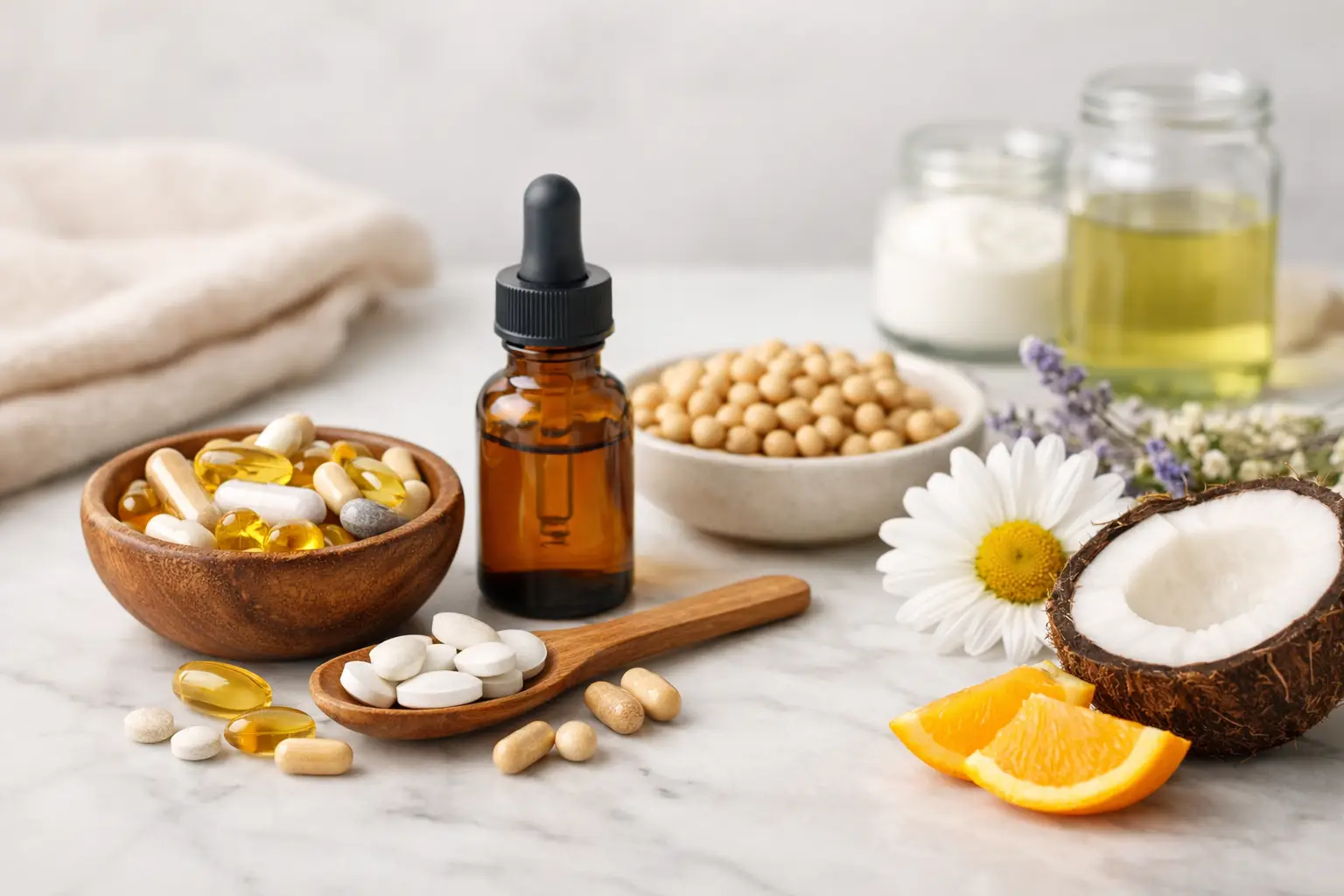
A supplement aisle can make menopause feel more confusing, not less. One bottle promises hormone balance, another promises better sleep, and a third claims to erase hot flashes. The truth is that the best supplements for menopause depend on what your body needs most right now – and on what may be driving your symptoms beneath the surface.
For some women, low vitamin D, inadequate protein intake, chronic stress, disrupted blood sugar, digestive dysfunction, or thyroid changes can intensify an already challenging transition. Supplements can be valuable tools, but they work best as part of a thoughtful plan that considers your symptoms, medications, nutrition, sleep, and lab work when appropriate.
Why menopause support should be personalized
Menopause is a normal life stage, but there is nothing minor about waking up drenched in sweat, feeling unlike yourself in your own body, or struggling through a day with brain fog and low energy. Declining and fluctuating estrogen can affect sleep, temperature regulation, bone turnover, muscle mass, mood, vaginal tissues, cholesterol, and body composition.
That does not mean every symptom is caused by menopause alone. Fatigue may also reflect iron deficiency, thyroid dysfunction, low B12, poor sleep quality, insulin resistance, or an overloaded stress response. New weight gain can be related to changing hormones, but meal patterns, muscle loss, medications, and chronic inflammation matter too.
A personalized approach avoids two common mistakes: taking a long list of supplements without a clear purpose, or assuming you simply have to live with disruptive symptoms. The right protocol is often simpler and more targeted than the internet suggests.
Best supplements for menopause: where to start
Vitamin D3, often paired with vitamin K2
Bone health deserves attention during and after menopause. As estrogen declines, bone loss can accelerate, especially for women with a family history of osteoporosis, low body weight, limited sun exposure, smoking history, digestive conditions that affect absorption, or past fractures.
Vitamin D supports calcium absorption and plays roles in immune health and muscle function. Because low levels are common, testing can be useful before choosing a dose. Vitamin K2 is sometimes paired with D3 because it supports normal calcium metabolism, though it is not appropriate for everyone. Women taking warfarin or other medications that affect blood clotting should speak with their prescribing clinician before using vitamin K-containing products.
Supplements are only one part of protecting bone strength. Resistance training, adequate protein, calcium-rich foods, balance work, and avoiding smoking all make a meaningful difference.
Magnesium for sleep, tension, and regularity
Magnesium is one of the most useful foundational nutrients for many women in midlife. It supports muscle and nerve function, relaxation, sleep quality, bowel regularity, and healthy glucose metabolism. While it is not a cure for hot flashes, it may be especially helpful when menopause symptoms are compounded by constipation, nighttime muscle tension, headaches, anxious feelings, or trouble winding down.
Forms matter. Magnesium glycinate is often well tolerated and commonly chosen for evening relaxation. Magnesium citrate may be more helpful for constipation but can loosen stools. Women with significant kidney disease should only use magnesium under medical guidance.
Omega-3 fatty acids for cardiometabolic support
After menopause, cardiovascular risk becomes increasingly relevant. Omega-3 fatty acids from fish oil or algae oil can support heart health and may be a thoughtful addition for women who rarely eat fatty fish. They can also complement an anti-inflammatory eating pattern built around vegetables, fiber-rich carbohydrates, quality protein, olive oil, nuts, seeds, and fish.
The benefit depends on the person, the product quality, and the dose. Omega-3s can interact with anticoagulant or antiplatelet medications, so individualized guidance is wise if you take blood thinners, have a bleeding disorder, or are preparing for surgery.
Creatine for strength, body composition, and brain energy
Creatine is often associated with athletes, but it can be a practical tool for women navigating menopause. Muscle mass tends to decline with age, and lower muscle mass can make weight management, blood sugar control, mobility, and energy feel more difficult. Creatine may support strength and lean mass when paired with resistance training and enough protein.
It may also support cognitive function in some circumstances, which makes it appealing for women who describe brain fog. Creatine can cause a small increase in water stored within muscle cells. That is not the same as gaining body fat, but it is worth knowing if the scale is already a source of stress. Anyone with kidney disease or a complex medical history should ask their clinician before starting it.
Protein and targeted nutrition support
Protein powder is not a menopause treatment, yet it can be one of the most practical supplements for women who are under-eating protein at breakfast and lunch. Adequate protein helps preserve muscle, supports satiety, and can make sustainable weight loss more achievable without extreme restriction.
Choose a product that fits your digestion and preferences. Whey protein can be convenient and effective for many people, while pea, rice, or blended plant proteins may be better tolerated by those avoiding dairy. If bloating, reflux, or skin flares occur, ingredients such as sugar alcohols, gums, and added sweeteners may be part of the issue rather than the protein itself.
Black cohosh, soy isoflavones, and other botanicals
Certain botanicals and phytoestrogens may help some women with vasomotor symptoms such as hot flashes and night sweats. Black cohosh and soy isoflavones are two commonly discussed options. Research is mixed, and response varies considerably from person to person.
This is the category where self-prescribing deserves extra caution. Botanicals can affect the liver, interact with medications, and may not be appropriate for women with a history of estrogen-sensitive cancer, liver disease, unexplained vaginal bleeding, or certain other health conditions. “Natural” does not automatically mean risk-free or right for your physiology.
Supplements are not a replacement for menopause care
If hot flashes are frequent, sleep is deteriorating, mood changes feel severe, or vaginal dryness and pain are affecting your quality of life, supplements may not be enough on their own. Menopausal hormone therapy can be an appropriate and highly effective option for some women, depending on age, timing, symptoms, health history, and individual risk factors. Nonhormonal prescription options also exist.
A root-cause-focused evaluation can help distinguish whether your symptoms point primarily to menopause or whether thyroid health, cortisol patterns, nutrient status, blood sugar, gut health, or medication effects need attention too. This is where functional medicine lab testing and a detailed history can bring clarity rather than more guesswork.
How to choose a quality supplement plan
Start with your top one or two symptoms. A woman whose main concern is constipation and restless sleep may benefit from a different starting point than someone focused on strength loss and stubborn weight gain. Add one product at a time when possible, so you can tell what is helping and what is not.
Look for transparent labels, clinically appropriate doses, and professional-grade products that clearly identify active ingredients. Avoid blends that hide amounts behind a “proprietary formula.” More is not better, especially with fat-soluble vitamins, herbs, iodine, and hormone-active compounds.
It is also useful to bring every supplement to your appointment, including gummies, powders, teas, and over-the-counter sleep aids. Seemingly small products can duplicate ingredients or create interactions.
Seek medical evaluation promptly for postmenopausal bleeding, chest pain, sudden shortness of breath, severe depression, a rapidly changing breast lump, or unexplained weight loss. These symptoms should not be dismissed as “just hormones.”
You deserve care that looks beyond a generic menopause checklist. At Pacific Naturopathic Health, the goal is to help you understand the patterns behind your symptoms and create a realistic plan that supports stronger bones, steadier energy, better sleep, and confidence in your next chapter.