
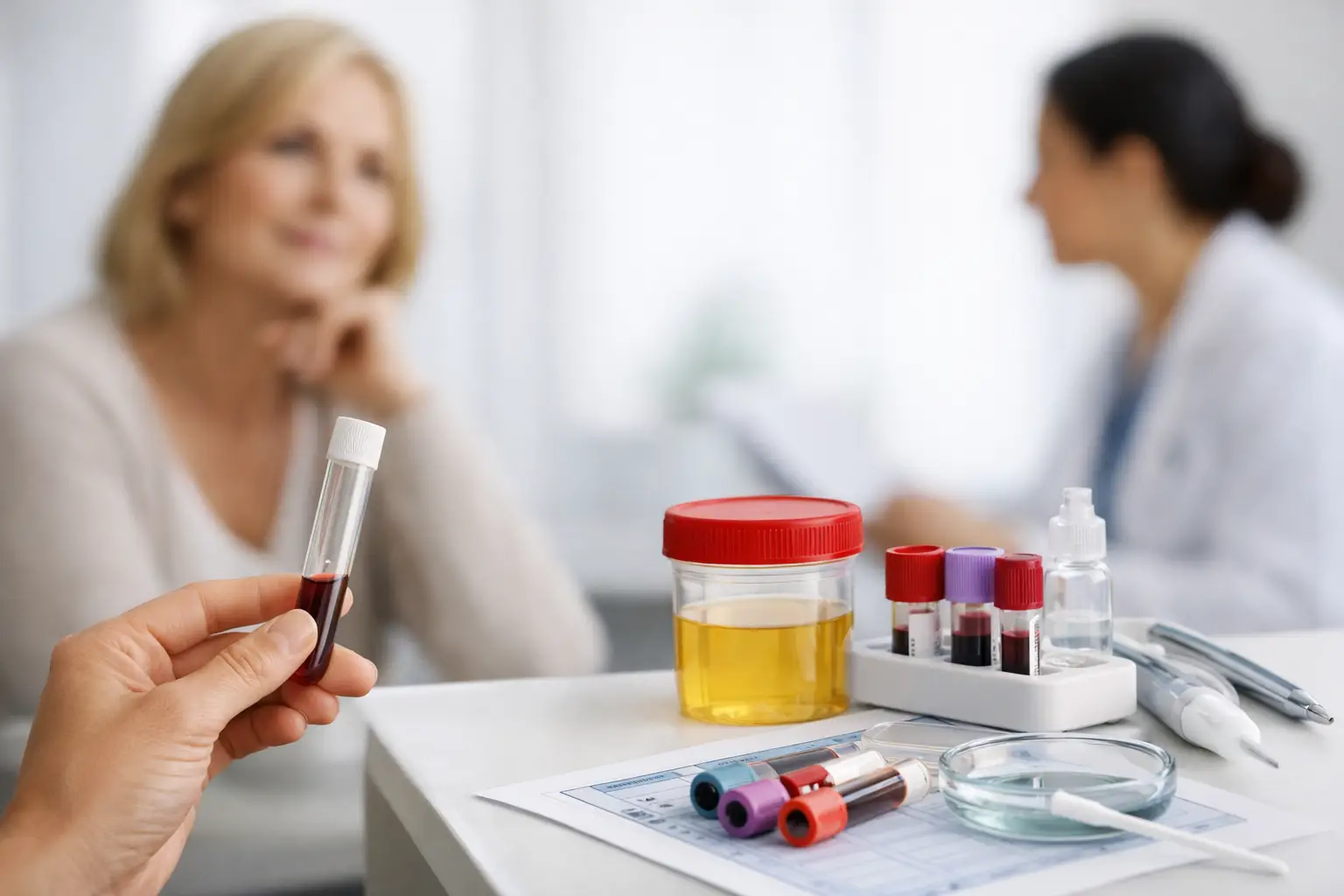
When you are gaining weight despite familiar habits, waking at 3 a.m., losing hair, or feeling unlike yourself, being told that your labs are “normal” can feel deeply discouraging. The best tests for hormone imbalance are not simply the longest list of labs. They are the tests that connect your symptoms, life stage, health history, medications, nutrition, stress load, and metabolic health into a clear clinical picture.
For many women in perimenopause and menopause, hormones do change quickly and sometimes unpredictably. For people of any gender, thyroid dysfunction, blood sugar dysregulation, nutrient depletion, chronic inflammation, sleep loss, and certain medications can create symptoms that look hormonal. Thoughtful testing helps identify what deserves attention instead of guessing or treating one number in isolation.
The best tests for hormone imbalance start with your story
A lab panel is most useful when it follows a careful conversation. Your clinician should ask about your menstrual cycle or menopausal status, sleep, mood, digestion, energy, libido, weight changes, hair and skin changes, exercise, food intake, stress, family history, and current medications or supplements.
For example, irregular cycles and hot flashes at age 47 may point toward perimenopause, while fatigue, constipation, cold intolerance, and hair thinning may warrant a closer look at thyroid function and iron status. New acne, facial hair growth, skipped periods, or difficulty with blood sugar may call for a different set of tests. Two people can both feel exhausted, yet need very different evaluations.
1. A comprehensive thyroid panel
Thyroid symptoms can overlap significantly with hormone imbalance. Low energy, brain fog, weight changes, low mood, dry skin, hair shedding, constipation, anxiety, heart palpitations, and disrupted periods may all have a thyroid component.
A thoughtful thyroid evaluation often goes beyond thyroid-stimulating hormone, or TSH, alone. Depending on your symptoms and history, your clinician may assess free T4, free T3, thyroid antibodies, and sometimes reverse T3. Thyroid antibodies can be especially helpful when autoimmune thyroid disease is suspected, even if TSH has not moved outside a standard reference range.
Testing does not replace clinical judgment. A “normal” result may still need context, particularly when symptoms are persistent or values have shifted meaningfully from your prior baseline.
2. Sex hormone testing for the right stage of life
Sex hormone testing may include estradiol, progesterone, follicle-stimulating hormone (FSH), luteinizing hormone (LH), testosterone, sex hormone-binding globulin (SHBG), and DHEA-S. These markers can help clarify patterns related to perimenopause, menopause, irregular cycles, low libido, acne, hair changes, and shifts in body composition.
Timing matters. For women who are still cycling, progesterone is typically most informative when measured during the luteal phase, after ovulation. Testing it on the wrong day can make a normal cycle look low in progesterone. Estradiol and FSH can fluctuate widely during perimenopause, so one blood draw cannot always confirm or rule out the transition.
For women who have not had a period for 12 months, symptoms and overall health often guide care more than repeated hormone measurements alone. For men and others with symptoms of low testosterone, morning testing is generally preferred because levels naturally vary throughout the day.
3. Cortisol testing when stress and sleep are part of the picture
Chronic stress, poor sleep, under-fueling, overtraining, illness, and caregiving demands can all affect how you feel. Morning serum cortisol may be appropriate in certain situations, particularly when a clinician needs to evaluate for medical conditions involving too little or too much cortisol.
Some functional medicine evaluations use saliva or urine cortisol patterns to explore daily cortisol rhythms. These tests may add useful context for selected patients with fatigue, insomnia, or stress-related symptoms, but they should not be used to self-diagnose “adrenal fatigue.” That term is not a recognized medical diagnosis. A skilled clinician can help determine whether conventional endocrine evaluation, rhythm-based testing, sleep support, nutrition changes, or another path is most appropriate.
4. Blood sugar and insulin testing
Hormones and metabolism are closely connected. Insulin resistance can contribute to stubborn weight gain, intense cravings, afternoon crashes, brain fog, elevated triglycerides, irregular cycles, and conditions such as polycystic ovary syndrome (PCOS).
A strong metabolic assessment may include fasting glucose, hemoglobin A1C, fasting insulin, and a comprehensive metabolic panel. In some cases, a glucose tolerance test may be warranted. A1C is useful, but it reflects an average and can miss significant blood sugar swings in some people. Fasting insulin can offer an earlier clue that the body is working harder than it should to manage glucose.
This is particularly relevant in midlife, when changing estrogen levels, reduced muscle mass, sleep disruption, and stress can make weight management feel much harder than it used to.
5. Iron, B12, vitamin D, and other foundational nutrients
Not every case of fatigue or hair thinning is caused by sex hormones. Low ferritin, which reflects stored iron, can contribute to fatigue, exercise intolerance, restless legs, hair shedding, headaches, and poor concentration. A complete blood count and iron studies can help identify anemia or depleted iron stores.
Vitamin B12, folate, and vitamin D may also be worth assessing based on symptoms, dietary pattern, digestive health, medication use, and medical history. People with heavy periods, restrictive diets, digestive dysfunction, or long-term acid-reducing medication use may be at higher risk for certain deficiencies.
Correcting a nutrient deficiency will not solve every hormone concern, but it can remove a major barrier to energy, mood, metabolism, and healthy hormone signaling.
6. Lipids and liver markers
Cholesterol is not just a cardiovascular number. It can provide valuable insight into metabolic health, insulin resistance, thyroid patterns, and changes that occur around menopause. A lipid panel may include total cholesterol, LDL, HDL, and triglycerides, while some patients benefit from additional risk markers based on their personal and family history.
Liver enzymes also matter. The liver helps process hormones and plays a central role in blood sugar regulation, fat metabolism, and inflammation. Elevated liver markers deserve appropriate medical follow-up, especially when they occur alongside weight gain, insulin resistance, or digestive symptoms.
7. Testing for PCOS and other specific concerns
If you have irregular or absent periods, acne, increased facial or body hair, scalp hair thinning, unexplained weight changes, or difficulty conceiving, testing may need to evaluate for PCOS and other causes of androgen excess. This can include total and free testosterone, DHEA-S, SHBG, prolactin, 17-hydroxyprogesterone, and metabolic markers.
PCOS is not diagnosed from one test. Diagnosis generally considers ovulation patterns, signs or lab evidence of higher androgens, and ovarian findings when appropriate, while ruling out other conditions that can cause similar symptoms. This is one reason a comprehensive evaluation matters more than ordering a generic hormone panel online.
Blood, saliva, or urine: which test is best?
Blood testing is often the starting point because it is widely available, standardized, and helpful for thyroid markers, metabolic markers, nutrients, and many reproductive hormones. Saliva and urine testing may have a role in selected cases, particularly when evaluating hormone metabolites or daily cortisol patterns.
The best method depends on the question being asked. More testing is not automatically better, and expensive specialty panels are not always necessary. An individualized plan can prevent you from spending money on results that do not change your care.
How to prepare for more accurate results
Before testing, tell your clinician about every medication, hormone therapy, peptide, supplement, and over-the-counter product you use. Biotin, commonly found in hair and nail supplements, can interfere with some thyroid and hormone lab assays. Do not stop prescribed medications or hormone therapy without medical guidance.
Ask whether you should fast, what time of day to test, and if your menstrual cycle day matters. It is also wise to avoid interpreting results after an unusually sleepless night, acute illness, or major change in routine without considering that context.
You deserve more than a rushed appointment and a vague explanation for symptoms that are affecting your confidence and quality of life. At Pacific Naturopathic Health, testing is used as one part of a personalized, root-cause-focused plan that considers nutrition, sleep, stress, digestion, metabolic health, and your individual hormone transition.
The next helpful step is not to chase a perfect panel. It is to partner with a qualified clinician who will listen closely, choose tests with a purpose, and help you turn the answers into a realistic path toward feeling like yourself again.